Top USA Jury Factors That Influence Trial Outcomes
A jury can alter a life before lunch. That sounds dramatic until you sit through a real trial and watch twelve ordinary people carry the weight of fear, doubt, and responsibility into one room. Court is never just law on paper. It is law filtered through human judgment, and human judgment has rough edges.
That is why jury factors matter so much. If you want to understand why one side wins, why another loses, or why a case ends in stalemate, you have to study the people deciding it. Jurors listen to facts, yes, but they also track tone, trust, timing, and whether a story feels real enough to hold. A case can look ironclad in a filing and still wobble in front of citizens who do not buy what they are hearing.
That gap frustrates lawyers and fascinates everyone else. It should. Verdicts are not built by robots sorting data. They are built by people who notice what rings true, what feels evasive, and what they can explain to each other once the courtroom door shuts.
Story beats evidence when the facts feel tangled
Jurors do not wait until deliberation to build a theory. They begin early, usually during openings, when each side offers a version of events that either clicks or clatters. Once that first frame forms, later testimony has to fit inside it or break it apart.
That is why the cleaner story often punches above its weight. A jury may hear dozens of facts, but people remember narrative shape better than scattered details. They want cause, motive, sequence, and a reason the conflict makes human sense. Give them that, and they stop drifting.
I have watched cases where the louder side lost simply because its version of events could not be retold in plain language. That matters. If jurors cannot explain your case to one another without tripping over it, they will not carry it confidently into a verdict.
The pattern shows up in courtrooms everywhere. Jurors do not vote on a heap of information. They vote on the explanation that feels most coherent after pressure, challenge, and repetition. That is one quiet reason trial outcomes can surprise people watching from the outside.
Bias walks in before the first witness does
Every juror arrives with a past. Some trust police almost by reflex. Some distrust big companies on sight. Some hear a formal voice as competent, while others hear the same voice and smell arrogance. None of that waits politely outside the courthouse.
Jury selection can catch open prejudice, but subtle bias is slipperier. It hides in reactions to clothing, education, age, accents, and confidence. That sounds unfair because it is. Pretending jurors start as blank slates only makes the system harder to read honestly.
Here is the twist many people miss: polish does not always win. A witness who looks too rehearsed can trigger suspicion, while a rougher witness can feel real. Jurors often forgive awkwardness faster than they forgive performance. That is a very human instinct.
Think about a self-defense case with a nervous defendant and a polished prosecutor. One juror reads fear as guilt. Another reads fear as trauma. Same person. Same words. Different life experience. That split starts before the second day of trial, and it rarely disappears on command. Once bias takes root, later evidence has to climb uphill.
Why jury factors outweigh sheer volume
Many people assume the side with more exhibits, more experts, and more speaking time has the edge. Usually, that is a lazy read. Juries care far more about who seems straight with them when the pressure hits. One honest concession can outwork ten flashy points.
Credibility grows from little moments. A witness who admits uncertainty often sounds stronger than one who has an answer for everything. A lawyer who faces the ugly fact early may earn more trust than one who keeps trying to hide it behind style and speed.
This is one of the biggest jury factors in any courtroom. Jurors constantly ask themselves who feels believable, who sounds slippery, and who seems too eager to win. They may not say it in those exact words, but that test runs in the background the whole time.
Consider a financial fraud case loaded with charts. By day four, the numbers blur. What remains is simpler and far more human: who answered plainly, who dodged, and who looked like they wanted the jury to think instead of surrender. Trust, not sheer volume, carries the room.
Legal instructions can rescue a case or wreck it
After all the testimony, jurors get the law they must apply. On paper, that sounds neat. In practice, this stage can decide whether careful fact-finding turns into a sound verdict or a muddled one. Dense wording can leave smart people oddly lost.
Jurors may understand what happened and still struggle with what the law is asking. Terms such as intent, reasonable doubt, negligence, or causation carry real meaning, but they do not always land in ordinary language. When the rule feels foggy, instinct rushes in.
That becomes dangerous in close cases. A jury might believe a company acted badly, yet the claim before them may require something narrower. If the instructions blur that line, frustration replaces precision. People start voting from instinctive fairness instead of the actual standard.
You can see the damage fast. One juror talks about what seems right. Another clings to a phrase nobody fully understands. A third gives up and follows the strongest personality in the room. None of that is rare, and none of it inspires confidence in trial outcomes. Clear instructions do not guarantee justice, but muddy ones invite avoidable mistakes.
Deliberation changes everything once the room closes
Private opinions are only the opening bid. Deliberation is where those opinions get tested, sharpened, softened, or shattered. A juror who looked certain all week may crumble when asked to explain a weak assumption. Another who barely spoke may become the room’s anchor.
That is why verdict analysis falls flat when it ignores group dynamics. Jurors do not simply reveal fixed views one at a time. They persuade, resist, hesitate, and sometimes protect each other from speaking too soon. The first vote matters, but later votes often matter more.
The loudest person is not always the leader. Often the real influence comes from the calm juror who listens, waits, and then names the issue everyone has been circling. One clear sentence can reorganize an entire room. I have seen that happen more than once.
So when you study verdicts, do not stop with evidence lists and closing arguments. Ask what happened when twelve strangers had to defend their instincts out loud. That final collision often explains the result better than the transcript ever will, and that is where real courtroom texture lives.
Conclusion
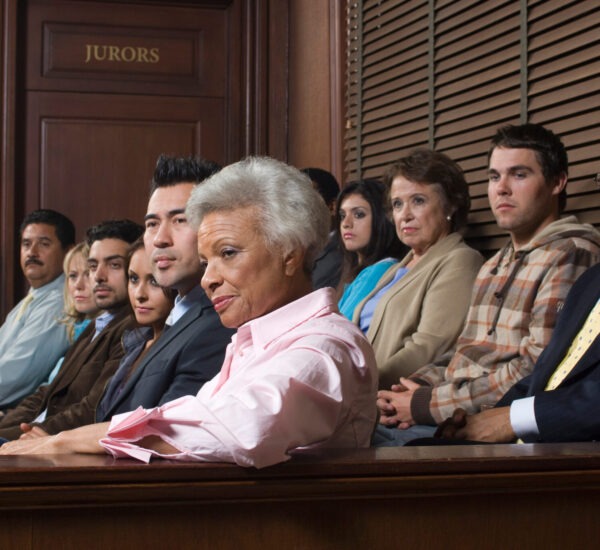
Strong verdict reading starts with humility. You can track motions, admire strategy, and quote legal standards all day, but you will still miss the center of the case if you ignore the people holding the final decision. Juries respond to story, bias, trust, language, and pressure from the group around them.
That is why jury factors deserve serious attention from anyone who studies courts, prepares witnesses, reports on trials, or simply wants a smarter view of justice. They show where the system feels sturdy and where it can wobble under strain. That matters right now, not in theory.
If you want sharper legal insight, stop treating the jury like background furniture. Put the jury where it belongs: at the center. Then ask better questions about persuasion, fairness, and clarity. Do that consistently, and your understanding of American trials will get sharper fast. Read more verdicts with this lens, and you will start seeing what most summaries miss. Better yet, compare verdicts with transcripts, witness performance, and jury instructions side by side. That habit will teach you more than any dramatic headline ever will.
What factors influence a jury the most in a criminal trial?
Jurors react hardest to believable witnesses, a clear timeline, and facts that match everyday judgment. They also watch whether lawyers answer weak points honestly. When those pieces line up, the room usually moves with more confidence and less hesitation inside.
How does jury selection affect trial outcomes in the USA?
Jury selection shapes the emotional weather of the case before testimony starts. Lawyers test attitudes about blame, authority, money, and fairness. They cannot create perfect neutrality, yet they can avoid obvious conflicts that poison trust once deliberations begin later today.
Why do jurors sometimes ignore strong evidence?
Most jurors do not think they are ignoring anything. They may distrust the source, miss the context, or place the evidence inside a story already formed. Once that happens, even strong proof can feel smaller than it should for jurors.
Do confident witnesses always persuade juries better?
Confidence helps only when it feels natural. Jurors often punish a witness who seems slick, practiced, or hungry to win. A steady person with visible nerves can sound more truthful because real memory rarely arrives polished under courtroom pressure today.
How much do jury instructions matter to a verdict?
Instructions matter because they tell jurors what legal question they must answer. If the wording stays muddy, people lean on instinct instead of rule. That shift can change a close case even when the evidence itself seems fairly strong practice.
Can one juror change the entire outcome of a case?
One juror can redirect the whole room by slowing the rush, naming the real issue, or exposing weak logic. Influence often comes from clarity, not volume. A calm voice can keep doubt alive long enough for others to reconsider there.
Why does likability affect jury decisions if evidence should decide?
Likability affects judgment because jurors read people before they sort every fact. Warmth, humility, and plain speech can make testimony easier to trust. That does not erase evidence, but it changes how open the listener stays to it during deliberation.
Are civil juries influenced by different factors than criminal juries?
Civil and criminal juries share the same human habits, yet the stakes push attention differently. Criminal panels weigh doubt and punishment harder. Civil panels often spend more time on blame, money, and whether conduct crossed a fair line in practice.
How do lawyers build trust with jurors during trial?
Lawyers earn trust by speaking clearly, keeping promises, and confronting bad facts before the other side weaponizes them. Jurors notice discipline. They also notice when a lawyer sounds slippery, exaggerated, or oddly proud of hearing themselves talk aloud today there.
What role does body language play in jury perception?
Body language shapes first impressions and reinforces later ones. Jurors notice eye contact, posture, hesitation, and reactions at counsel table. Those cues do not prove truth, but they color credibility, and credibility often controls what evidence lands hardest there daily.
Why do some juries reach a deadlock instead of a verdict?
Deadlock happens when jurors carry different ideas about doubt, fairness, or acceptable risk into the room. Sometimes personalities clash. Sometimes the facts sit too close. And sometimes one careful holdout refuses to sign onto a conclusion prematurely there at all.
How can someone analyze a jury verdict more accurately?
Start with people, not paperwork. Ask which story felt believable, who seemed trustworthy, what rule confused the room, and how deliberation likely unfolded. That method gives you a sharper read than treating the verdict form like a magic answer afterward.