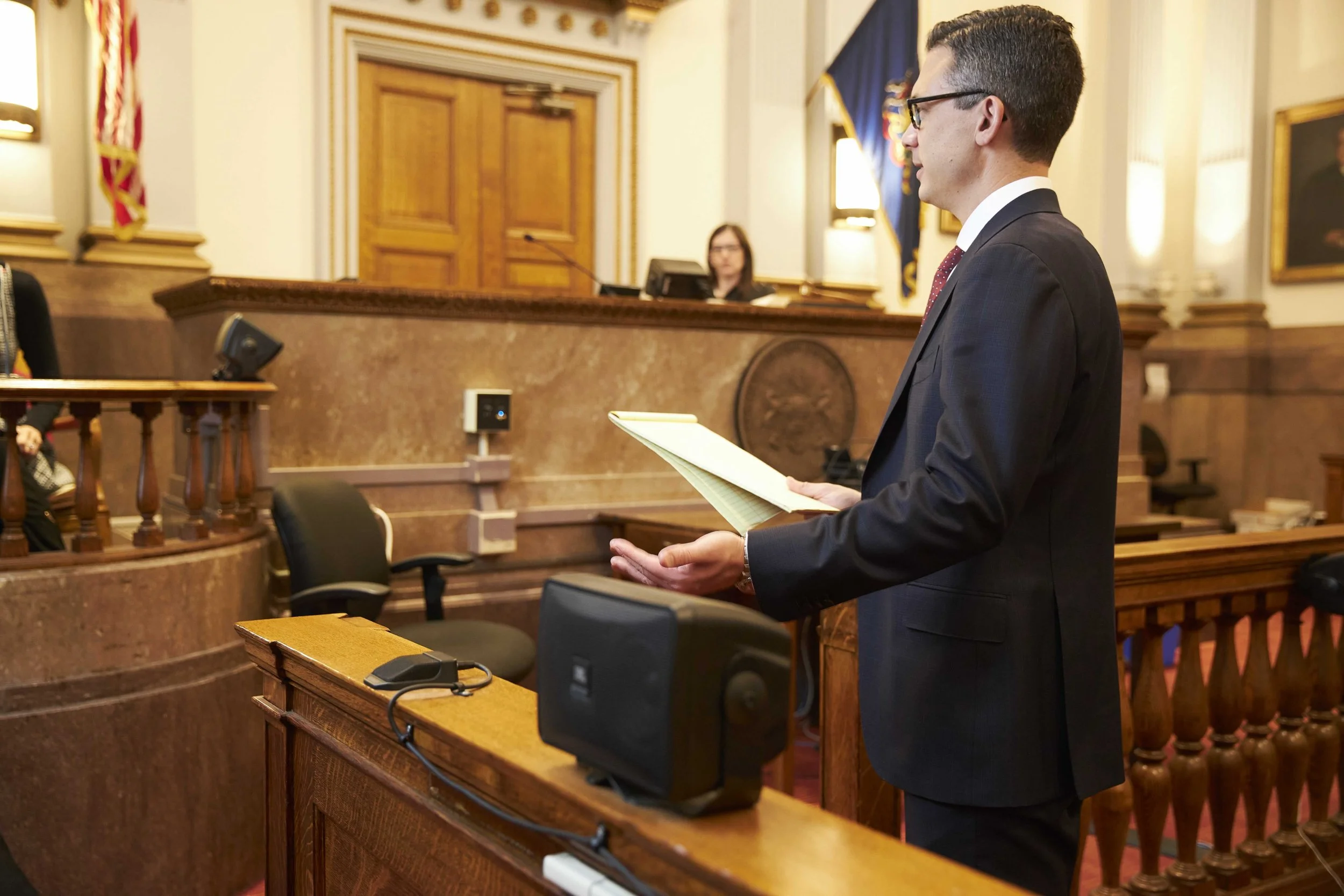

Debt Buyer Lawsuits and Defending Against Zombie Debt Collection Claims

A lawsuit over an old account can feel like a trap door opening under your feet. Debt Buyer Lawsuits often arrive after years of silence, when the original card, loan, or medical bill barely feels connected to your current life. That delay is the point that makes them so dangerous: people move, records disappear, memories fade, and fear fills the space where proof should be. The smarter response is not panic. It is pressure. You look at who is suing, what they can prove, when the account went unpaid, and whether the law still allows the claim at all. Federal rules give consumers rights to debt validation information, dispute windows, and protection against lawsuits on time-barred debt, while state law often controls deadlines and court procedure. A trusted consumer rights resource can help readers stay alert, but the first real move is always the same: read every paper, save every envelope, and answer the case before silence becomes a judgment.

Why Old Accounts Become Court Cases Years Later

Old debt does not always die quietly. Sometimes it gets sold, packed into a spreadsheet, moved through several companies, and brought back as a lawsuit by a business that never issued the credit card, loan, or bill in the first place. That distance between the original account and the courtroom is where many defenses begin.

How Debt Buying Turns Records Into Claims

Debt buyers purchase charged-off accounts for less than the face amount, then try to collect more than they paid. The business model depends on volume. One weak case may fail, but thousands of cases can still produce payments, settlements, and default judgments from people who never respond.

That does not mean every claim is false. Some accounts are real, some balances are accurate, and some buyers have enough records to prove their case. The danger is assuming the lawsuit is valid because it looks official. Court papers are a demand for proof, not proof by themselves.

A debt buyer usually needs more than a name and a balance. In many courts, the buyer may need to show the original agreement, account statements, a chain of assignment, and records linking the person sued to the debt. When those pieces are thin, the case may be weaker than the complaint sounds.

Why Zombie Debt Collection Claims Feel So Hard to Place

Zombie debt collection claims feel strange because they often involve accounts the consumer barely remembers. A store card from another city, an old telecom bill, or a bank account closed years ago can reappear with added interest, fees, or a new company name.

The emotional trick is simple. The collector wants the consumer to feel embarrassed enough to pay before asking hard questions. That is why old debt cases often arrive with urgent language, tight deadlines, and settlement offers that sound like a favor.

A practical example helps. A person in Ohio may get sued over a credit card opened before a divorce, after three address changes and two job moves. The buyer may list the last four digits of an account, but no full statements. That gap matters. A claim with missing history should be tested, not accepted.

Debt Buyer Lawsuits Start With Paper, Not Proof

The strongest defense often begins before anyone argues about fairness. Courts run on documents, deadlines, and admissible proof. If the company suing cannot connect each step from the original creditor to the current plaintiff, the case may have a serious weakness.

What a Debt Validation Letter Should Tell You

A debt validation letter should identify the collector, the current amount owed, the creditor, and information that helps you dispute the debt or ask for the original creditor’s details. CFPB rules also require the notice to include the end date of the 30-day dispute period.

That letter is not a decoration. It is a tool. If the amount looks wrong, the account is unfamiliar, or the creditor name does not match your memory, a written dispute creates a record and forces the collector to respond before continuing collection on the disputed amount under the federal debt collection rule.

Keep the dispute clean. Say you dispute the debt, request verification, ask for the original creditor’s name and address, and request an itemization of interest, fees, payments, and credits. Send it in a trackable way. A phone call may calm your nerves, but paper protects you better.

Why Missing Account Details Matter in Court

A lawsuit is not the same thing as a validation notice. Once a case is filed, the court’s rules control how you respond. Still, the same idea carries through: make the plaintiff prove identity, ownership, balance, and timing.

Missing records can matter more than a dramatic speech. If the buyer has no account agreement, no clear billing history, no reliable assignment chain, and no witness with real knowledge of the records, the case may rest on a thin stack of papers.

This is where many consumers make a costly mistake. They argue that the debt is old or unfair, but they do not file a formal answer. Courts can enter default judgments when a defendant misses the deadline, even if the plaintiff’s proof would have been weak under challenge.

How Time-Barred Debt Changes the Defense

Age can change everything in a debt case. The statute of limitations sets the period when a collector can sue to collect a debt, and that period depends on the type of debt and the state law that applies. Once the deadline runs, the debt may become time-barred.

When the Statute of Limitations Becomes the Line

A collector cannot sue or threaten to sue to collect a time-barred debt under the FDCPA and Regulation F, according to the CFPB’s advisory opinion. The FTC also says that if you are sued over time-barred debt, you should tell the judge the statute of limitations has run out.

That defense is powerful, but it is not automatic. You may need to raise it in your written answer or at the hearing, depending on local procedure. Courts do not always investigate the age of a debt on their own.

The key date is often the last payment or last account activity, not the date the buyer purchased the account. A collector may buy an account years later, but the purchase itself does not erase the old timeline. That point catches many people off guard.

Why Small Payments Can Wake Old Debt

Old debt creates one of the nastiest traps in consumer law: a small payment can sometimes restart the clock. The FTC warns that in some states, making a payment or even acknowledging the debt in writing can reset the statute of limitations, making the debt no longer time-barred.

That is why “pay $20 today to show good faith” can be a bad bargain. The collector may frame it as harmless, but the legal effect may be larger than the payment. A person trying to calm a collector can accidentally give the collector a stronger case.

A safer move is to ask for records first and speak with legal aid, a consumer attorney, or your state attorney general’s office before paying old debt. The FTC points consumers toward state attorneys general and legal aid offices when they are unsure whether a debt is time-barred.

Building a Collection Lawsuit Defense Before the Hearing

A defense is not built in one dramatic court moment. It is built in small, boring steps: reading the summons, checking the deadline, filing an answer, organizing records, and forcing the plaintiff to prove each part of the claim. Boring wins more often than panic.

How to Answer Without Admitting the Claim

An answer should respond to the lawsuit’s numbered claims. Many defendants admit too much because they think “I had a card once” means “I owe this buyer this amount today.” Those are different questions.

Deny what you do not know. State that you lack enough information to admit claims about assignment, balance, fees, interest, or ownership when the complaint gives no proof. Raise defenses such as wrong person, wrong amount, lack of standing, payment, identity theft, or statute of limitations when they fit the facts.

Court forms vary by county and state. Some courts offer check-box answers, while others require a written pleading. Read the summons first because it tells you the deadline and where to file. Miss that window and the case can become much harder to fix.

What to Bring When the Court Date Arrives

Bring the lawsuit, your filed answer, proof of mailing or filing, collection letters, credit reports, old statements, payment records, bank records, identity theft reports, and any letters disputing the debt. If the account is old, bring anything showing the last payment date.

Do not rely on memory alone. A judge has to work with records, not feelings. If the collector says the last payment was in 2022 and your bank records show no payment since 2018, that difference may decide whether the claim survives.

Ask direct questions if allowed. Who owned the debt before this buyer? Where is the purchase agreement? Where is the account-level assignment? How was the balance calculated? Who can testify that these records are accurate? A weak file often looks less scary once each link is tested.

Conclusion

Old debt cases reward calm people who respect deadlines. They punish people who freeze, hide the paperwork, or make quick payments without knowing the legal effect. That may sound harsh, but court systems move on paper, not sympathy.

Debt Buyer Lawsuits should be treated as a demand for proof, not a verdict. The company suing must connect you to the account, itself to the debt, the balance to reliable records, and the filing date to a live legal claim. Any missing link matters.

The smartest next step is simple: read the summons today, mark the response deadline, gather every record, and get local legal help before paying or admitting anything. If the claim is valid, you can still negotiate from a stronger position. If it is weak, old, inflated, or filed by the wrong party, your response may be the thing that keeps fear from turning into a judgment.

Take the papers seriously before the court takes silence as your answer.

Frequently Asked Questions

What should I do first after receiving a debt buyer lawsuit?

Read the summons and complaint the same day you receive them. Find the answer deadline, write it on a calendar, and start gathering letters, statements, credit reports, and payment records. Do not call and admit the debt before checking the proof.

Can a debt buyer sue me if I never heard of the company?

Yes, a debt buyer may sue after purchasing an account from another creditor or buyer. The company still has to prove it owns the specific debt and that you are the person legally responsible for the balance.

How do zombie debt collection claims come back after years?

Old accounts may be sold from one company to another after charge-off. Each transfer can separate the claim from the original records. That is why you should ask for proof of ownership, account history, balance details, and the last payment date.

What is time-barred debt in a collection case?

Time-barred debt is debt past the statute of limitations for filing a lawsuit. The deadline depends on state law and the debt type. If the lawsuit was filed too late, you may need to raise that defense in court.

Can making a small payment restart old debt?

In some states, a partial payment or written acknowledgment can restart the statute of limitations. That can turn an old, time-barred account into a lawsuit risk again. Get local legal guidance before paying any old collection account.

What should a debt validation letter include?

It should give enough information to identify the debt, the collector, the current creditor, the amount claimed, and your dispute rights. A strong response asks for verification, original creditor details, and an itemized balance showing fees, interest, payments, and credits.

Can I lose a collection lawsuit by ignoring it?

Yes. Ignoring the case can lead to a default judgment, even when the debt buyer’s proof is weak. A judgment may allow wage garnishment, bank account collection, or liens depending on state law and the type of debt.

Do I need a lawyer to fight a debt buyer case?

A lawyer is not always required, but legal help can make a major difference. Consumer attorneys and legal aid offices understand local deadlines, defenses, evidence rules, and settlement options. At minimum, get advice before admitting, paying, or missing court.

Immigration Detention Legal Challenges and Habeas Corpus Rights

A locked door can make a civil immigration case feel like a criminal sentence. For many families in the United States, detention rights become urgent the moment ICE custody turns a pending case into a crisis at home, at work, and in court. A person may still have defenses, family ties, medical needs, or a pending asylum claim, yet lose the freedom needed to gather proof. That is where strong legal information matters, and readers often turn to trusted legal resources before deciding what to ask an attorney next. A habeas challenge does not erase a deportation case. It asks a federal court to test whether the custody itself has crossed a legal line. Federal law gives district courts power to consider habeas petitions from people claiming unlawful custody, while immigration statutes control when DHS may detain someone during or after a removal case.

Why Immigration Custody Feels Different From Criminal Jail

Immigration custody sits in an uneasy place. The government calls it civil detention, yet the daily reality can look and feel like jail. The person may not be serving a criminal sentence, but the loss of liberty is immediate, and that gap creates the first major legal fight.

Civil Custody Still Takes Away Real Freedom

Civil detention means the stated goal is immigration control, not punishment. That distinction matters on paper, but it does not comfort a parent moved to a facility three states away from their children. A missed paycheck, a lost apartment, and a stalled custody case can happen before anyone wins or loses in court.

U.S. law allows detention while the government decides whether a person should be removed. Some people may seek release on bond, while others fall into mandatory detention categories that limit release options. That split is one reason two people with similar family lives can face different custody paths.

The counterintuitive point is this: the strongest custody argument is not always the same as the strongest immigration defense. A person may have a good asylum claim yet still need a separate custody strategy because release and removal are handled through different legal doors.

Why Location Can Shape the Fight

Detention location can decide how hard the case becomes. A person arrested in Chicago may be moved to Louisiana, Texas, Georgia, or another distant facility. That move can affect family visits, document collection, attorney access, and the federal district where a habeas case must be filed.

The immigration court case also keeps moving on its own track. Bond issues, removal hearings, appeals, and federal custody challenges may involve different judges, different forms, and different deadlines. EOIR’s own guidance treats bond proceedings as separate from removal proceedings, which means winning one does not automatically win the other.

A practical example makes the problem plain. A lawful permanent resident detained after an old conviction may need certified criminal records, proof of rehab, tax filings, and letters from U.S. citizen relatives. If that person is held far from home, every document becomes harder to collect, and delay starts helping the government by default.

How Detention Rights Turn Paper Promises Into Courtroom Pressure

A right does not do much until someone forces a decision-maker to honor it. Detention Rights matter most when they become a filed request, a hearing record, or a federal court challenge. The law rewards clean timing, strong facts, and proof that custody has stopped serving any fair purpose.

When a Habeas Corpus Petition Makes Sense

A habeas corpus petition asks a federal court to review whether a person’s detention is lawful. It is not the same as asking the immigration judge to cancel removal, grant asylum, or reopen a case. It is aimed at custody, delay, and the legal basis for holding someone.

This tool can matter when detention becomes prolonged, when the government has no realistic removal plan, or when custody continues without a fair chance to contest danger or flight risk. The Supreme Court’s Zadvydas decision remains a core reference point because it read post-order detention law to avoid serious constitutional concerns about indefinite confinement.

The harder truth is that habeas is not magic. A weak record, missing dates, or vague claims about hardship can sink a case that might have had a chance. Federal judges want more than outrage. They need a custody timeline, legal status history, removal posture, and proof that continued detention has become unreasonable.

When a Bond Hearing Is the Faster Door

A bond hearing can be the quicker path for someone who is eligible. The hearing focuses on whether the person is a danger or flight risk, not whether the person should win the whole immigration case. That difference helps families aim their proof at the right target.

EOIR rules allow an immigration judge to review certain DHS custody and bond decisions, and a request for initial bond redetermination can be made orally, in writing, or sometimes by phone. The judge may consider available information, and the custody decision remains separate from the removal case.

Good bond proof feels ordinary, which is why people sometimes overlook it. A lease, pay stubs, church letters, school records, medical care plans, sponsor ID, and proof of court attendance can matter more than a dramatic letter saying the family is suffering. Judges are deciding risk. Give them facts that answer risk.

The Long Fight Over Time, Delay, and Due Process

The most painful detention cases often turn on time. One month may feel harsh but lawful. Ten months may start to look like pressure, especially when the person has not caused the delay. Courts have wrestled with where patience ends and due process begins.

Six Months Is a Warning Sign, Not a Universal Key

Many families hear “six months” and think release becomes automatic. That is a dangerous misunderstanding. Zadvydas gave the six-month mark weight in the post-removal-order setting, but later Supreme Court cases narrowed efforts to turn that mark into an automatic bond hearing rule across detention categories.

Jennings v. Rodriguez held that several immigration detention statutes could not be read to require periodic bond hearings every six months. Johnson v. Arteaga-Martinez later held that Section 1231(a)(6) does not require the government to provide a bond hearing after six months with the burden placed on the government in the way the lower court had ordered.

That does not mean time is irrelevant. It means time must be tied to the facts. Who caused the delay? Is removal likely soon? Is the person fighting a real claim or using delay as a tactic? Has custody become excessive compared with the government’s stated goal? Those questions carry the weight.

Due Process Often Lives in the Details

Due process arguments rarely win because someone says detention is unfair in broad terms. They win when the record shows a mismatch between the reason for custody and the person being held. A grandmother with decades in the United States, no violence history, a stable sponsor, and a pending appeal presents a different risk picture than a person with recent absconding history.

Removal proceedings can drag because of court backlogs, appeals, document delays, or government transfer choices. The unfairness grows sharper when detention itself blocks the person from getting records, calling witnesses, or meeting counsel. The case becomes a maze, and custody becomes one more wall inside it.

Here is the unexpected part: a person who keeps fighting a serious legal claim should not be treated as suspicious for using the process Congress and the courts created. The line between lawful custody and coercive custody can blur when detention pressures someone to abandon a defense they had every right to raise.

Building a Strong Record Before the Clock Runs Out

The best custody challenges are built before the emergency filing. Families often wait for a bad result, then scramble. That delay costs them. Strong records begin with dates, documents, and a clear theory of why continued custody no longer makes legal or human sense.

Documents That Make a Person Visible

A detained person can become a file number fast. The record must bring back the person without turning the case into a plea for sympathy alone. Judges need proof that release has structure, supervision, and a real plan.

Useful records may include identity documents, proof of address, sponsor letters, medical records, criminal disposition papers, rehab proof, tax records, school records, and evidence of past court attendance. For a habeas corpus petition, the timeline matters as much as the personal story. Every transfer, hearing, appeal, denial, and custody review should be listed with dates.

A clean packet also helps the attorney spot the right forum. Some arguments belong before an immigration judge. Others belong before the Board of Immigration Appeals. Some belong in federal district court. Mixing them together without order can make a strong case look careless.

Why Timing and Forum Matter More Than Volume

More pages do not always mean more power. A focused five-page custody motion with clean exhibits can beat a bloated filing that hides the issue. The goal is not to tell every painful detail. The goal is to answer the legal question in front of the decision-maker.

In immigration court, the judge may focus on danger, flight risk, and bond eligibility. In federal court, the judge may focus on the statutory basis for custody, length of detention, removal likelihood, and due process. The same person can need both tracks, but each track needs its own shape.

Families should also track practical barriers. Was the person transferred away from counsel? Were calls blocked? Did medical issues worsen? Did DHS delay travel documents? These facts can turn a complaint into evidence. And evidence is what moves a case from frustration into pressure.

Conclusion

Freedom should not depend on whether a family understands a maze of statutes, court rules, and custody labels. Yet in the American immigration system, that is often where the fight begins. The strongest cases do not treat custody as a side issue. They treat it as a legal battle that needs its own record, its own timeline, and its own proof.

Detention rights are not abstract. They decide whether a parent can help prepare a case, whether a worker can keep a job, and whether a person can stand before the court as more than a file. A careful strategy may involve a bond request, a habeas filing, or both, depending on the person’s status and custody posture.

Anyone facing this situation should act early, save every paper, write down every date, and speak with a qualified immigration attorney before delay becomes the government’s strongest weapon. The door may be locked, but the record is where pressure starts.

Frequently Asked Questions

What is a habeas corpus petition in an immigration case?

A habeas filing asks a federal court to review whether the government is lawfully holding someone. It does not decide every immigration issue. It focuses on custody, delay, legal authority, and whether continued detention has crossed a constitutional or statutory line.

Can someone get a bond hearing while facing deportation?

Some detained people can ask an immigration judge to review bond, but eligibility depends on the detention statute and case history. Certain mandatory detention categories limit release. A lawyer can identify whether bond, parole, habeas, or another route fits the case.

Does six months in ICE custody mean automatic release?

No. Six months can matter, but it is not an automatic release date. Courts look at the detention statute, removal posture, delays, danger concerns, flight risk, and whether removal is likely soon. The facts around the delay often matter more than the calendar alone.

Are removal proceedings the same as bond proceedings?

No. Bond proceedings deal with custody and possible release while the case continues. Removal proceedings decide whether the person can stay in the United States or must leave. Winning bond does not end the removal case, and losing bond does not decide deportation.

What evidence helps in immigration court bond cases?

Strong evidence usually shows stable housing, family support, work history, medical needs, clean court attendance, rehabilitation, and lack of danger. The judge needs a release plan that feels real. Letters help more when they include facts, dates, and direct knowledge.

Can ICE transfer a detained person to another state?

Yes, transfers happen, and they can make defense harder. A transfer may affect attorney access, family support, evidence collection, and where a federal custody challenge is filed. Families should keep facility records, transfer dates, and all contact information updated.

Does habeas stop deportation automatically?

No. A habeas case challenges detention, not removal by itself. A separate stay request may be needed to pause deportation, depending on the case. This is a technical area where quick legal help matters because timing can decide whether the court can act.

When should a family contact an immigration lawyer?

Early is best, especially after an ICE arrest, bond denial, transfer, or long custody period. Waiting can weaken the record. A lawyer can review eligibility, collect proof, track deadlines, and decide whether the next move belongs in immigration court or federal court.

Interracial Custody Disputes and Legal Protections Against Racial Bias

A custody case can expose the private fears a family spent years learning how to survive. In interracial custody disputes, racial bias is not a side issue, a character flaw, or a social discomfort the court may quietly absorb into its ruling. A judge may weigh safety, stability, caregiving history, school routines, and the child’s needs, but race-based prejudice cannot become a shortcut for deciding who gets time with a child. Parents searching for grounded family legal resources often need one clear truth first: U.S. family courts are supposed to protect children from harm, not protect strangers from their own prejudice.

The Supreme Court made that line plain in Palmore v. Sidoti, where it rejected a custody change based on social stigma tied to an interracial household. The Court recognized that prejudice may exist, but it cannot be given legal power through a custody order. That rule still matters because bias rarely announces itself. It often arrives dressed as “stability,” “community reaction,” or “what the child may face later.”

Equal Protection Sets the Floor for Fair Custody Decisions

Family court gives judges wide room to study a child’s life, but that room has walls. Equal protection means state courts cannot treat similarly situated people differently without a valid legal reason, and race-based government action faces the highest constitutional pressure.

What Palmore Means for Interracial Family Custody

The lesson from Palmore is blunt: a parent cannot lose custody because the court thinks an interracial home may attract hostility. That does not mean judges ignore a child’s lived experience. It means the court must separate real evidence from public prejudice.

This matters in interracial family custody because the harm often sounds practical at first. One parent may claim the child will be teased, rejected by relatives, or confused about identity. Those concerns may describe real social problems, but they do not prove the other parent is unfit. The law cannot reward the parent who points at prejudice and asks the judge to obey it.

Why Private Prejudice Cannot Become Public Law

The Fourteenth Amendment bars states from denying equal protection, and custody courts are state actors when they issue binding orders. That matters because a custody ruling is not a private opinion. It changes where a child sleeps, who makes decisions, and which parent carries daily authority.

A court may hear evidence about racism a child faces at school or in a neighborhood. The answer, though, should be protection, planning, and support. The answer should not be removing the child from a loving parent because other people may behave badly.

The Best-Interests Test Must Stay Tied to Evidence

Most states frame custody around the best interests of the child, but that phrase can do too much damage when it floats loose from proof. Child welfare guidance describes best-interest factors such as parental caregiving capacity, family relationships, safety, and the child’s needs, while state laws vary in the details.

Where Best Interests of the Child Analysis Can Go Wrong

The best interests of the child standard works only when judges demand facts. It breaks down when a parent smuggles race-based assumptions into ordinary custody language. “The child needs a normal environment” may sound harmless until the court asks what “normal” means and who gets to define it.

A common example appears when one parent argues that a mixed household will make social life harder. The better question is whether the parent has built emotional tools for the child. A parent who can talk honestly about identity, extended family, school pressure, and belonging may offer more stability than a parent who pretends the issue will disappear.

When Culture Is Relevant Without Becoming a Weapon

Culture, race, and family identity are not banned topics in custody court. They can matter when they show how a parent supports the child’s full life. The line is crossed when culture becomes a mark against a parent instead of a source of understanding.

Courts should ask grounded questions. Who takes the child to school meetings? Who responds when the child hears racist comments? Who keeps safe relationships with grandparents, cousins, and community members? Those answers speak louder than fear about what neighbors may think.

Evidence Protects Custody Rights Better Than Outrage Alone

A parent facing race-based attacks in custody court may feel tempted to answer anger with anger. The stronger move is often colder: build the record. Custody rights are protected through facts, objections, testimony, parenting history, and clear requests for findings.

Building a Record That Names the Problem

The record should capture coded language before it hardens into a ruling. If one parent keeps raising the race of a new spouse, the child’s mixed identity, or the reactions of outsiders, the other side should ask why that fact matters to parenting ability. Silence can make bias look uncontested.

Documentation helps. Save messages that mock a partner’s race, threaten to use race in court, or pressure the child to reject part of their identity. Teachers, counselors, relatives, and childcare providers may also show who supports the child’s emotional safety in daily life.

How Lawyers Challenge Racial Discrimination in Family Court

Racial discrimination in family court is rarely proven by one sentence. It often appears as a pattern: unequal assumptions, selective criticism, or harsher judgment of one household’s routines. The ABA has warned that subjective decision-making can allow bias to shape how facts are interpreted in family law settings.

A lawyer may respond through objections, proposed parenting plans, requests for specific findings, motions for reconsideration, or appeal. The goal is not to accuse everyone in the room. The goal is to force the court to decide custody based on parenting evidence, not racial discomfort.

Children Need Protection From Harm, Not From Identity

A child in an interracial family may face hard moments. That truth should make the court more careful, not more fearful. Legal protections work best when they treat identity as part of the child’s life, not as a risk factor.

How Judges Can Separate Safety From Stereotype

Judges can ask whether a concern points to a parent’s conduct or to other people’s prejudice. If the concern is bullying, the court can order school communication, counseling support, or shared decision-making around emotional care. If the concern is a parent’s partner being of another race, the concern has already exposed itself.

The same distinction matters in relocation, visitation, and decision-making disputes. A parent who denies the child’s identity may create pressure inside the home. A parent who helps the child stand in both sides of their family may be doing the quiet work courts should respect.

What Parents Can Do Before Bias Hardens

Parents should prepare before the hearing turns hostile. A clear parenting plan can name school routines, holiday schedules, communication rules, counseling options, and how both parents will handle identity-related issues. Specific plans beat emotional speeches.

Custody rights also grow stronger when a parent shows steady behavior outside court. Keep exchanges calm. Avoid insulting the other parent in front of the child. Support the child’s relationship with safe relatives on both sides. That kind of discipline may feel unfair when the other parent plays dirty, but judges notice the adult who keeps the child out of the fight.

Conclusion

Courts do not need perfect parents. They need honest evidence, lawful reasoning, and enough courage to reject prejudice even when it arrives in polite language. The child at the center of the case is not a symbol in a culture argument. That child is a person with routines, fears, attachments, questions, and a right to love their family without hearing a judge treat that family as a legal problem.

The hard truth is that racial bias cannot be dressed up as concern for stability. Stability does not mean hiding a child from identity. It means giving the child adults who can handle the world as it is while refusing to let its worst habits write the parenting plan.

Any parent facing race-based custody attacks should document the pattern, stay focused on the child, and speak with a family law attorney who understands both constitutional limits and local court practice. Protect the record early, because the fairest custody order is built before the final hearing begins.

Frequently Asked Questions

Can race be used as a factor in a child custody decision?

Race cannot be used as a reason to punish a parent or remove a child from a loving home. Courts may consider a child’s lived needs, but they cannot give legal force to community prejudice, family disapproval, or stereotypes about interracial households.

What legal protection applies in interracial family custody cases?

Equal protection under the Fourteenth Amendment is the main constitutional safeguard. State custody laws also require judges to focus on parenting ability, safety, stability, and the child’s needs rather than race-based assumptions about a parent, spouse, or household.

How can a parent prove racial discrimination in family court?

Proof may include texts, emails, witness testimony, hearing transcripts, repeated race-based comments, or unequal treatment in how facts are framed. A strong record shows the court that the issue is not hurt feelings, but unfair decision-making tied to race.

Does the best interests of the child standard allow race discussions?

Race may be discussed when it relates to the child’s real emotional, cultural, or safety needs. The standard does not allow a judge to treat interracial identity as a danger or accept public prejudice as a reason to limit custody.

Can a parent object if the other parent attacks their interracial relationship?

A parent can object and ask the court to keep the focus on parenting evidence. The better response is specific: identify the statement, explain why it relies on race-based prejudice, and ask the judge not to consider it when deciding custody.

What should interracial parents document before a custody hearing?

Parents should keep records of caregiving, school involvement, medical appointments, safe family relationships, and any race-based remarks from the other parent. Clear documentation helps show both parenting strength and any pattern of unfair attacks.

Can a child’s exposure to racism affect custody planning?

Exposure to racism may affect support planning, counseling, school communication, and parenting rules. It should not be used to blame the interracial household. Courts should address the harm directly instead of treating the child’s identity as the source of the problem.

Should parents hire a lawyer for racial discrimination in family court?

Legal help is wise when race becomes part of a custody dispute. A lawyer can protect objections, frame the constitutional issue, request proper findings, and keep the case focused on evidence rather than coded claims about identity or community reaction.

Civil RICO Lawsuits Against Organized Criminal Business Enterprises

A business can look normal from the sidewalk and still run like a machine built for fraud. That is why civil RICO lawsuits matter to people who lose contracts, customers, inventory, wages, or company value because a coordinated operation used illegal acts as a business model. Many Americans first notice these cases through headlines, investor disputes, supplier conflicts, healthcare fraud claims, or legal and business coverage that connects courtroom fights to real financial harm. RICO began as a federal response to organized crime, but its civil side now reaches far beyond the old mob stereotype. The statute covers patterns of listed illegal acts, including mail fraud, wire fraud, bribery, extortion, money laundering, and other predicate offenses named in federal law.

The power is not only in the label. It is in the remedy. A successful plaintiff may recover three times the proven damages, plus costs and reasonable attorney’s fees, when the injury fits the statute’s “business or property” requirement. That threat changes the room fast.

How a Civil RICO Claim Turns a Business Dispute Into a Federal Racketeering Case

A broken deal does not become racketeering because someone acted greedy, lied once, or played hardball. The case starts to look different when several people, companies, accounts, or shell entities work together through repeated illegal acts that damage someone’s business or property. That distinction matters because federal courts do not exist to turn every ugly contract fight into a racketeering war.

Why ordinary fraud is not enough for racketeering activity

A supplier who sends one false invoice may face a fraud claim. A vendor network that sends false invoices every month through several entities, routes payments through controlled accounts, and threatens whistleblowers starts to look like something else. The law asks whether the conduct forms a pattern, not whether one episode sounds shady.

The federal RICO statute defines racketeering activity by reference to specific crimes. Mail fraud and wire fraud appear often in business cases because modern schemes run through emails, payment portals, shipping records, online ads, and bank transfers. That does not mean every misleading email unlocks RICO. Courts look for repeated predicate acts tied to a larger scheme.

A real-world example helps. A regional construction company may discover that a competitor, a fake minority-owned subcontractor, and a procurement insider allegedly worked together to steer public contracts. The injury is not hurt feelings. It is lost bids, distorted pricing, and revenue that went to an operation built on deception.

What makes a RICO enterprise different from a bad actor

The RICO enterprise is the engine of the claim. It can be a legal business, an association of people, or a group that functions as a unit even without a formal company name. The key question is whether the participants formed an ongoing structure that helped carry out the unlawful pattern.

That point is often missed. Plaintiffs sometimes name every defendant, point to a mess of bad behavior, and assume the court will connect the dots. Judges usually will not do that work for them. A complaint needs to show who played what role, how the group operated, and why the illegal acts were not random.

Consider a healthcare billing scheme in which a clinic, a marketing company, and a lab allegedly pass patients through a referral loop. Each piece may look legitimate alone. Together, the pieces may show a repeatable profit system. That is where the claim gains force, because the alleged wrongdoing sits inside a working structure rather than one person’s impulse.

Proving Injury, Pattern, and Causation Without Overplaying the Case

The hardest part of a civil racketeering case is often not outrage. It is proof. A plaintiff must connect the racketeering pattern to a concrete injury to business or property, then show the injury was caused by the RICO violation. The larger the allegation, the more disciplined the evidence must become.

Business or property loss must be concrete

Civil RICO does not reward vague harm. Lost revenue, lost contracts, overpayments, damaged inventory, stolen trade secrets, and reduced business value can matter because they can be measured. Embarrassment, stress, and reputational discomfort alone usually do not carry the same weight.

The Supreme Court’s 2025 decision in Medical Marijuana, Inc. v. Horn gave plaintiffs a meaningful clarification. The Court held that civil RICO does not automatically block recovery for economic harm merely because the harm flowed from a personal injury, as long as the plaintiff shows injury to business or property.

That does not make the courthouse door swing open for every injury claim. A fired truck driver claiming lost wages after a mislabeled CBD product is a different case from a customer claiming pain and suffering. The unexpected lesson is simple: the source of the harm matters, but the type of loss matters more.

Causation is where weak claims fall apart

A plaintiff can prove bad conduct and still lose if the damage trail breaks. Courts want to know whether the alleged racketeering directly caused the business or property loss. A company cannot point to a failing quarter, blame a rival’s entire behavior pattern, and hope suspicion fills the gap.

Financial records often become the backbone. Invoices, bids, bank transfers, customer files, emails, internal messages, and vendor histories can show whether money moved because of the scheme or because of normal market pressure. The cleanest cases make the loss visible without asking the judge to guess.

One counterintuitive truth: narrower claims can hit harder. A plaintiff who proves one stolen account, one rigged contract cycle, and one payment trail may have a stronger case than a plaintiff who claims an entire industry was corrupted but cannot trace the dollars. Precision wins trust before volume does.

Civil RICO Claims Against Organized Criminal Business Enterprises

The phrase “organized criminal business enterprise” can mislead people into thinking only street gangs, cartels, or movie-style crime families qualify. In civil litigation, the more common fight involves companies or professional networks that allegedly use legal-looking systems to carry out illegal goals. That is why these cases often feel less dramatic on the surface and more dangerous underneath.

How legitimate companies can become racketeering vehicles

A company does not lose its legal status because someone accuses it of wrongdoing. The issue is whether its people, systems, money channels, or outside partners were used to conduct a pattern of unlawful activity. A clean logo and a payroll department do not erase repeated fraud.

The Justice Department describes RICO’s purpose as targeting the infiltration of organized crime and racketeering into legitimate organizations operating in interstate commerce. That idea still matters in private cases. The law can reach a business that becomes the vehicle for the scheme, even when some employees perform lawful work.

A familiar American example could involve a debt collection company accused of using false court filings, misleading letters, and threats to collect debts it cannot prove. The office has desks, supervisors, software, and customer service scripts. Yet the alleged profit model may depend on pressure tactics tied to predicate acts. The tension sits right there: normal business tools can become racketeering tools when the purpose turns unlawful.

Why pleading details can make or break the complaint

Civil RICO complaints often rely on fraud-based predicate acts. When they do, Rule 9(b) of the Federal Rules of Civil Procedure requires fraud allegations to be stated with particularity. That means the complaint needs more than “they lied.” It needs the who, what, when, where, and how.

This is where many plaintiffs damage their own case. They write a complaint that sounds angry but not specific. Courts are not impressed by adjectives. They want dates, messages, payments, roles, and the reason each defendant belongs in the case.

Defense lawyers know this pressure point. They often file motions to dismiss before discovery begins, arguing that the plaintiff dressed up a contract dispute as federal racketeering. A strong complaint anticipates that attack. It names the enterprise clearly, separates each defendant’s conduct, maps the predicate acts, and ties the pattern to measurable loss.

Remedies, Risks, and Strategic Choices Before Filing

A civil racketeering claim is not a casual threat letter. It can pressure defendants because treble damages and attorney’s fees raise the stakes, but it can also expose a plaintiff to aggressive motions, high discovery costs, and credibility problems if the claim is overstated. Smart litigants treat RICO as a scalpel, not a hammer.

Treble damages change settlement pressure

Treble damages are the reason defendants take these cases seriously. If a plaintiff proves a covered injury, the damages may be tripled, and the statute also allows recovery of costs and reasonable attorney’s fees. That potential can turn a seven-figure business loss into a threat that shakes a boardroom.

Settlement talks often change once the evidence looks organized. A defendant may fight hard if the complaint feels thin. The same defendant may reassess when the plaintiff shows bank records, repeated communications, and a clean timeline of predicate acts. Good evidence can make the statutory remedy feel less theoretical.

The surprise is that RICO can help even before trial, but only when used with restraint. A demand letter packed with accusations may backfire. A focused presentation showing the enterprise, the pattern, the injury, and the remedy often lands with more force because it sounds like a lawsuit ready to be filed.

Filing the case can create reputational and financial blowback

A RICO claim puts a heavy word into public filings. Defendants may respond by accusing the plaintiff of extortion, defamation, or abusive litigation tactics. Even when those counterattacks fail, they can raise costs and stretch the case.

Businesses should also think about discovery. A plaintiff who sues may have to produce emails, accounting records, customer files, board materials, and internal messages. That can expose weak controls, unrelated disputes, or embarrassing business decisions. Litigation opens doors in both directions.

A better first step is often an evidence audit. Counsel can test whether the facts support a federal racketeering theory, a state fraud claim, an unfair competition claim, or a cleaner contract action. The best case is not always the loudest one. It is the one that gives the injured party the strongest path to recovery.

Civil RICO lawsuits have become one of the most serious tools in American business litigation because they challenge the machinery behind repeated wrongdoing, not only the single bad act in front of the victim. Still, the power of the statute cuts both ways. A strong claim can expose a coordinated scheme, recover multiplied damages, and force defendants to answer for a business model built on unlawful conduct. A weak claim can drain money, invite dismissal, and make the plaintiff look careless. The practical move is not to ask whether the other side acted badly. Ask whether the evidence shows an enterprise, a pattern, a predicate offense, a business or property injury, and a direct link between the scheme and the loss. When those pieces line up, the case deserves serious attention. Speak with a qualified federal litigation attorney before sending threats, filing papers, or walking away from a loss that may be larger than it first appears.

Frequently Asked Questions

What is a civil RICO case in simple terms?

A civil RICO case is a private lawsuit claiming that a person or group used a pattern of specific illegal acts to damage someone’s business or property. It is not a criminal prosecution, but it can still carry major financial consequences.

Can a small business file a RICO civil claim?

A small business can bring a claim if it suffered business or property loss from a qualifying racketeering pattern. Size does not control the right to sue. Evidence controls it, including records showing the enterprise, the illegal acts, and the direct financial harm.

What crimes can count as RICO predicate acts?

Predicate acts can include mail fraud, wire fraud, bribery, extortion, money laundering, obstruction, certain theft offenses, and other crimes listed in the federal statute. The claim must tie those acts to a pattern, not present them as isolated misconduct.

How many acts are needed to show a RICO pattern?

The statute generally requires at least two predicate acts, but two acts alone do not guarantee a valid claim. Courts also look at relationship, continuity, timing, purpose, participants, and whether the conduct shows an ongoing racketeering threat.

What damages are available in a civil racketeering lawsuit?

A successful plaintiff may recover three times the proven business or property damages, plus lawsuit costs and reasonable attorney’s fees. That remedy is one reason defendants often fight these claims early and aggressively.

Is breach of contract enough for a RICO claim?

A broken contract alone is usually not enough. The plaintiff must show more than nonpayment or poor performance. The case needs a qualifying enterprise, predicate acts, a pattern, direct causation, and measurable injury to business or property.

Why do courts dismiss many private RICO claims?

Courts often dismiss claims that are too vague, overbroad, or built on ordinary business disputes. Fraud-based claims also face heightened pleading rules, which require specific details about the alleged false statements, timing, speakers, and scheme.

Should a business threaten RICO before filing suit?

Threats should be handled with care. A poorly supported accusation can damage credibility and provoke counterclaims. A business should review the evidence with experienced counsel first, then decide whether RICO, fraud, contract, or another claim fits best.

Rideshare Accident Liability and Who Pays When Uber Drivers Crash

A normal ride can turn into a legal mess in one bad second. When rideshare accident liability becomes the question, the answer usually depends less on the crash itself and more on what the Uber driver was doing inside the app at that exact moment. A driver waiting for a request, driving to pick up a rider, and carrying a passenger can trigger different insurance layers. That detail matters because personal auto policies often do not cover paid rideshare driving once the app is on.

That is where many injured people get stuck. A passenger may assume Uber pays. A pedestrian may blame the driver. Another motorist may hear from three insurance adjusters before anyone accepts fault. For readers trying to understand legal guidance for everyday accident questions, the hard truth is simple: payment follows proof, timing, fault, and coverage. The app status is not a side detail. It is often the first key that opens the claim.

How App Status Controls Rideshare Accident Liability

The first fight after a crash is not always about who ran the light. Often, it is about whether the driver was offline, waiting for a trip, headed to a pickup, or already carrying a passenger. That sounds technical, but it decides which insurer gets pulled into the room and how much coverage may be available.

Why the Driver’s App Screen Matters More Than People Expect

An Uber driver who is offline usually falls back into the same insurance world as any other private driver. Their personal auto policy is the starting point because, at that moment, they are not working through the platform. Uber states that personal auto insurance covers drivers while they are offline, and drivers must keep personal auto insurance at required minimum limits.

The picture changes when the driver is online and available for a request. Uber says its third-party liability coverage applies, at least at $50,000 per person, $100,000 per accident for injuries, and $25,000 for property damage when an at-fault driver is online and available. That coverage is not the same as the stronger coverage tied to an accepted ride or active trip.

The counterintuitive part is that an empty back seat can still create a commercial insurance issue. Many people think the rideshare company only matters once a passenger gets inside. Insurance regulators treat the timeline more carefully because the driver may already be using the car for paid work.

What Changes After a Ride Is Accepted

Coverage usually becomes stronger once the driver accepts a request and starts heading toward the rider. Uber says it maintains at least $1,000,000 in coverage for property damage and injuries to riders and third parties when the driver is en route or on a trip. That is the number most people hear about, but it does not apply to every crash involving an Uber sticker on a windshield.

This is why a rideshare crash claims file often begins with data. Lawyers and insurers want trip records, timestamps, police reports, screenshots, driver statements, and rider receipts. A two-minute difference can move a claim from a limited coverage period into a higher coverage period.

A practical example makes it clear. If a driver hits another car at 6:02 while waiting for a request, one coverage layer may apply. If the driver accepted a ride at 6:01 and was heading to the pickup, a different layer may apply. Same intersection, same damage, different insurance battle.

Who May Be Legally Responsible After an Uber Crash

Fault still matters, even when a big rideshare policy exists. Insurance coverage answers who may pay, but liability answers who did something wrong. Those are related ideas, not identical ones, and mixing them up can weaken a claim before it starts.

When the Uber Driver Is at Fault

A driver can be responsible for speeding, unsafe lane changes, distracted driving, fatigue, tailgating, or failing to yield. If the Uber driver at fault was carrying a passenger or driving to a pickup, the rideshare insurance layer may become the main source of recovery. If the driver was offline, the personal policy usually becomes the first target.

Passengers sometimes feel awkward blaming the driver who picked them up. That hesitation is understandable, but the claim is usually handled through insurance, not a personal demand for cash from the driver. The injured person still needs to document pain, medical treatment, missed work, and how the crash changed daily life.

One quiet detail often matters: driver behavior before the crash. A passenger who saw the driver glancing down, handling another app, rushing through a yellow light, or refusing to slow down should write that down quickly. Memory fades, but early notes can help rebuild the moment later.

When Someone Else Caused the Crash

The Uber driver is not always the villain. Another motorist may run a red light, a delivery truck may swing wide into the lane, or a drunk driver may crash into the rideshare vehicle. In that case, the at-fault driver’s liability insurance may become the first source of payment.

Uber’s own materials also point to the liability insurance of another driver as a potential source of recovery when a driver is injured while using the platform. Depending on state law and app status, added coverage may also exist for injuries caused by an uninsured or underinsured driver.

This is where Uber accident insurance can matter even when the Uber driver did nothing wrong. If the other driver has no insurance or too little insurance, uninsured or underinsured motorist coverage may become part of the claim. State rules differ, so the same crash can produce different payment paths in Florida, Illinois, California, or Texas.

What Injured Passengers, Drivers, and Other Victims Should Do

After the first shock fades, the paperwork starts. That is when small choices carry weight. A person who gathers the right proof early can avoid months of confusion, while a person who trusts every adjuster’s first answer may leave money on the table.

How Passengers Can Protect a Passenger Injury Claim

A passenger should report the crash through the app, call police if anyone is hurt, get medical care, and save the ride receipt. The receipt helps prove the trip was active. That matters because the strongest coverage period often depends on showing the passenger was in the vehicle or the driver had accepted the ride.

Medical proof should start early. Some injuries arrive loudly, like broken bones or cuts. Others build slowly, like neck pain, back pain, headaches, dizziness, or shoulder pain from a seat belt. A delay in treatment gives insurers room to argue that the injuries came from something else.

A passenger injury claim also needs clean communication. Give facts, not guesses. Do not say you are fine if you are not sure. Do not post crash details on social media. A casual sentence online can become an exhibit in a claim file, and no one needs their worst day turned into an adjuster’s favorite screenshot.

How Drivers Can Avoid Insurance Gaps

Drivers face a separate risk because personal auto insurance often excludes paid rideshare activity. The Insurance Information Institute explains that standard personal auto policies generally stop covering ride-sharing once the driver logs into the app until the customer exits and the transaction closes.

That means drivers should ask their insurer about rideshare endorsements before a crash ever happens. NAIC consumer guidance tells drivers to ask what the transportation network company covers, what happens in each app period, whether a deductible applies, and what state law requires.

The surprise is that some drivers focus only on liability and forget their own vehicle. NAIC notes that many state laws do not require collision or full physical damage coverage during the waiting period, so a driver may lack coverage for their own car unless they buy added protection.

How Payment Usually Gets Divided After the Claim Starts

Money does not move simply because the crash was scary. Insurers pay based on coverage, fault, damages, and evidence. The person with the strongest paper trail usually has the clearest path through the noise.

Why Multiple Insurance Companies May Point Fingers

Several insurers may appear in one case: the Uber driver’s personal carrier, Uber’s commercial policy, the other driver’s insurer, a health insurer, and sometimes the injured person’s own auto policy. Each company has a reason to slow down and study the facts before paying.

That delay feels personal, but it is often procedural. The personal carrier may deny coverage because the driver was using the car for paid rideshare work. The rideshare insurer may ask for proof of app status. The other driver’s insurer may dispute fault. Nobody wants the bill until the evidence pins it somewhere.

A clean claim file cuts through that behavior. Police reports, trip records, photos, repair estimates, medical records, witness names, and app screenshots can turn a vague story into a timeline. Timelines win arguments because they make denial harder.

What Damages May Be Paid

A claim may seek payment for ambulance bills, emergency care, follow-up treatment, physical therapy, lost income, reduced earning ability, property damage, pain, and daily limitations. Severe crashes can add long-term care, surgery, home help, or loss of future work capacity.

Uber driver at fault cases often turn on whether the injured person can connect the harm to the collision. A sore back written down two weeks later may be challenged. A sore back evaluated the same day, treated again the next week, and tied to work limits is harder to dismiss.

The best move is not dramatic. It is organized. Save bills, keep appointment notes, track missed work, photograph bruising or vehicle damage, and avoid recorded statements until you understand who is asking and why. Insurance companies run on records, so give your claim a spine.

Why State Law Can Change the Result

A rideshare crash in the United States is never handled in a vacuum. State insurance rules, no-fault laws, injury thresholds, minimum coverage laws, and local court rules can shift the path. That is why advice that works in one state can fail across the border.

How State Rules Shape Uber Accident Insurance

State laws often define what insurance applies during the three rideshare periods. NAIC describes those periods as app on and waiting, accepted request before the passenger enters, and passenger in the vehicle. It also notes that many drivers may use multiple transportation network company apps at the same time, which can complicate the question further.

Some states add personal injury protection rules. Some require uninsured motorist coverage in certain situations. Some have no-fault systems that send medical bills through a person’s own coverage first. The national pattern may look similar, but the local rulebook still matters.

That is why a rideshare accident liability question should never stop at “Uber has insurance.” Better questions are sharper: Was the app on? Was the ride accepted? Was the passenger inside? Who caused the crash? What state did it happen in? What policies were active?

Why Early Legal Help Can Change the Settlement Path

Early help matters because evidence disappears fast. Dashcam footage gets overwritten. App records become harder to request. Witnesses forget details. Vehicles get repaired. A crash scene that felt unforgettable on Monday can become fuzzy by Friday.

Rideshare crash claims also involve companies that understand the process better than most injured people do. That does not mean every claim becomes a lawsuit. It means you should treat the claim like something that may need proof under pressure.

The strongest claim is built before anyone argues about settlement. Get care, preserve evidence, report the crash, avoid casual admissions, and speak with someone who understands rideshare cases in your state. Waiting rarely makes a claim cleaner.

Conclusion

The easiest mistake is assuming one company automatically pays because the ride happened through an app. Real claims are messier, and the details are not small. App status, fault, state law, insurance exclusions, and injury proof all shape the final answer.

Rideshare accident liability is best understood as a chain, not a single switch. First, identify the driver’s status. Then prove fault. Then match the claim to the right insurance layer. Then document damages with enough detail that an adjuster cannot brush them aside.

That approach protects passengers, drivers, pedestrians, cyclists, and other motorists from the same trap: chasing the wrong payer while deadlines keep moving. If you were hurt in a crash involving Uber, start with records, not assumptions. Get the trip proof, get medical care, and get advice before you let an insurance company define the story for you.

Frequently Asked Questions

Who pays if an Uber driver causes an accident?

Payment usually comes from the insurance policy tied to the driver’s app status. If the driver was offline, personal insurance may apply. If the driver was waiting, heading to pickup, or carrying a rider, Uber’s maintained coverage may apply at different limits.

Does Uber cover passengers injured during a ride?

Passengers may be covered when the trip is active, especially if the Uber driver caused the crash. The claim still needs proof of the ride, injuries, medical treatment, and fault. State rules can affect which benefits apply first.

What happens if another driver hits my Uber?

The other driver’s insurance may be the first source of payment if that driver caused the crash. If that driver has no insurance or too little coverage, uninsured or underinsured motorist coverage may become part of the claim, depending on state law.

Can I sue Uber directly after a rideshare crash?

Sometimes, but many cases focus first on insurance coverage rather than a direct lawsuit against Uber. Direct claims can be harder because drivers are often treated as independent contractors. The facts, state law, and company conduct matter.

What should I do after an Uber accident as a passenger?

Call 911 if anyone is hurt, report the crash in the app, save your ride receipt, photograph the scene, collect names, and get medical care. Avoid giving broad statements to insurance companies before you understand which insurer is involved.

Does personal auto insurance cover Uber drivers?

Personal auto insurance often does not cover paid rideshare activity once the driver is logged into the app. Drivers should ask their insurer about a rideshare endorsement or commercial coverage before driving for Uber.

How long do Uber accident claims take?

Simple claims may resolve faster when fault, app status, and medical treatment are clear. Serious injury claims often take longer because treatment, records, coverage disputes, and negotiations need time. A rushed settlement can miss future medical costs.

What evidence helps prove an Uber accident claim?

Useful evidence includes the ride receipt, app screenshots, police report, photos, witness names, medical records, repair estimates, and all insurance letters. A clear timeline showing app status and crash details often carries more weight than memory alone.

Euthanasia and Physician Assisted Death Legal Status Across States

A family facing terminal illness often learns the law at the worst possible moment. Euthanasia Legal Status in the United States is not one national rule, and that alone creates confusion for patients, spouses, adult children, doctors, and faith leaders trying to make sense of a painful choice. The plain truth is this: U.S. law draws a hard line between a doctor giving a lethal drug and a qualified patient choosing to self-administer prescribed medication under state law. That distinction changes everything. As of June 14, 2026, medical aid in dying is authorized in 13 states and Washington, D.C., though access depends on each state’s effective date, residency rule, medical process, and provider participation. Readers following public policy through legal news and civic affairs coverage should treat this issue as state-by-state law, not a single American right. The safest first step is not a social media answer. It is checking the exact law where the patient lives, then speaking with a licensed clinician or attorney who understands end of life care in that state.

What the Law Actually Allows in Authorized States

The first mistake people make is thinking every “right to die” headline means the same thing. It does not. Medical aid in dying laws usually apply only to adults who have decision-making capacity, a terminal illness, and a prognosis of six months or less. The patient must make the request, pass medical review, and self-administer the medication. A family member cannot make that choice for them. A doctor cannot administer it for them. That careful structure is why the legal wording matters so much.

Why Self-Administration Changes the Legal Meaning

American law has built most authorized programs around the patient’s final voluntary act. That means the physician’s role is limited to evaluation, confirmation, counseling, documentation, and prescribing when the statute allows it. The patient remains the person who decides whether to ingest the medication at all.

That last point gets missed in family conversations. A prescription does not require use. Some patients go through the process because having the option reduces fear, even if they never take the medication. That does not make the decision casual. It shows how much control matters when illness has already taken almost everything else.

The legal boundary also protects clinicians who do not want to participate. New York’s rules, for example, make participation voluntary and state that no health care provider is forced to prescribe or take part. That matters in rural hospitals, Catholic systems, and private practices where medical ethics and institutional policy may not line up with state law.

Which U.S. Jurisdictions Currently Authorize the Practice

The current authorized list includes California, Colorado, Delaware, Hawaii, Illinois, Maine, Montana, New Jersey, New Mexico, New York, Oregon, Vermont, Washington, and Washington, D.C. Delaware became accessible on January 1, 2026, after its 2025 law. New York’s law takes effect on August 5, 2026. Illinois was signed in 2025 and takes effect on September 12, 2026.

Death with dignity laws are not identical across those places. Oregon and Vermont removed residency requirements, while Washington still requires the patient to be a resident. That single difference can decide whether a dying person has any workable access, even when they meet the medical standard.

A real example shows the friction. A patient in Idaho with late-stage cancer may live hours from Oregon, yet the legal route depends on traveling, finding an Oregon provider, completing Oregon’s process, and being able to self-administer. Geography becomes part of the law. That is not what most families expect.

Euthanasia Legal Status Depends on the Act, Not the Emotion

The word “euthanasia” carries emotional weight, but law does not move on emotion alone. It asks who performs the final act. In the United States, authorized programs generally allow eligible patients to request medication they self-administer. They do not authorize a physician, nurse, spouse, or caregiver to directly administer a lethal substance to cause death. That difference may sound thin in everyday speech, but legally it is a wall.

Why Active Administration Remains Outside U.S. Law

Active euthanasia means another person performs the act that causes death. U.S. state assisted dying laws avoid that model. They require the patient to be capable of taking the medication through a conscious voluntary act, which is why patients with advanced neurological decline may face the cruel timing problem of qualifying medically but losing the ability to act physically.

This is one of the hardest edges of the law. A person with ALS, for instance, may fear the exact point when they can no longer swallow or perform the final act. The statute may offer choice, but the body may close the window before the mind is ready. That gap is where the debate becomes less like politics and more like a family sitting beside a hospital bed at 2 a.m.

Opponents see the self-administration rule as a needed guardrail. Supporters see it as both a safeguard and, sometimes, a harsh barrier. Both views come from a serious place. The American Medical Association still states its opposition to physician-assisted suicide, while also recognizing that individual physicians acting within law and conscience do not violate the Code in that limited sense.

How Montana Became the Odd State Out

Montana is different because its framework comes from a court ruling, not a detailed statute. In Baxter v. Montana, the state supreme court found that nothing in Montana law made physician aid in dying against public policy for a competent terminally ill patient. That left Montana authorized in a way that feels less clear than Oregon, California, or New York.

That difference matters on the ground. A Montana doctor may not have the same checklist-style statute that a Washington or Colorado doctor can follow. Some physicians may feel protected. Others may see risk. Patients usually do not care about legal theory when they are in pain, but legal theory can decide whether a doctor returns the call.

The counterintuitive lesson is this: a court victory can create access and uncertainty at the same time. Legislatures write forms, waiting periods, reporting rules, and immunity language. Courts answer narrower legal questions. Montana’s path gave patients an opening, but it did not give every hospital a clean operating manual.

Safeguards, Residency Rules, and Access Gaps

The public argument often sounds like a yes-or-no fight, but the daily reality is more practical. Can the patient find a willing doctor? Can two clinicians confirm the diagnosis and prognosis? Can the patient make the request without pressure? Can they wait through the required steps? Can they travel if their state bans the practice? End of life options can exist on paper and still feel out of reach when the patient is weak, poor, isolated, or uninsured.

Why Residency Still Shapes Real Access

Residency rules are one of the biggest dividing lines. Oregon removed its residency requirement in 2023, and Vermont removed its requirement the same year. Washington, by contrast, still limits access to Washington residents. That means two patients with the same diagnosis can have different rights based on a state border.

End of life options are not equally reachable for Americans who live in the South, much of the Midwest, or many Mountain West states. Travel costs, hotel stays, medical records, clinic scheduling, and physical decline can turn legal access into a race against time. Money should not decide who gets peace, but often it decides who can pursue the process.

There is also a quiet burden on caregivers. A daughter in Texas may want to help her father explore Oregon’s law, yet she may need unpaid time off, plane tickets, medical paperwork, and a clinician willing to take an out-of-state patient. The law may say “option.” The family calendar may say “impossible.”

What Waiting Periods and Doctor Reviews Try to Prevent

Most statutes include repeated requests, written forms, second medical opinions, capacity checks, and waiting periods. These steps are meant to catch coercion, untreated depression affecting judgment, mistaken prognosis, and family pressure. The system is designed to slow the process down before anyone receives a prescription.

Death with dignity laws also protect the right to change one’s mind. A qualified patient can stop at any point. That point matters because fear can rise and fall during illness. Pain control may improve. Family conflict may settle. Hospice may bring relief. A good process gives the patient room to reconsider without shame.

The unexpected truth is that safeguards can both protect and exclude. A waiting period may prevent a rushed decision, but it may also block a patient whose disease is moving faster than paperwork. A second opinion may catch error, but in a rural county with few specialists, it can delay access until the patient no longer qualifies physically.

How Families Should Read State Assisted Dying Laws Before a Crisis

Families should not wait until the final week to understand the rules. State assisted dying laws are full of terms that sound simple until the pressure arrives: terminal illness, capacity, self-administration, attending provider, consulting provider, voluntariness, and residency. Each term can carry legal meaning that differs from normal conversation. A calm review months earlier can prevent a desperate scramble later.

What to Ask a Doctor Before Illness Steals Time

The first doctor conversation should be direct but not combative. Ask whether the diagnosis is considered terminal under state law, whether the prognosis is six months or less, and whether the provider participates. If the provider does not participate, ask what referrals or records can be provided. Do not assume silence means refusal. Some doctors are willing to discuss the law but cannot raise it first under workplace policy.

A patient should also ask about hospice, palliative care, pain control, home support, spiritual care, and advance directives. Medical aid in dying should never become the only serious conversation. A patient deserves every comfort option before deciding whether the legal prescription process fits their values.

A practical example helps. A woman in New Jersey with metastatic ovarian cancer may qualify medically but still need hospice enrollment, a consulting physician, mental capacity confirmation, and family support for paperwork. Those steps take time. The kinder path is to ask early, while she still has the strength to speak for herself.

How the Debate Is Moving Through Courts and Legislatures

The legal map is still moving. New York joined the authorized jurisdictions in 2026, while Illinois becomes the first Midwestern state with an enacted law taking effect later in the year. At the same time, lawsuits filed by disability-rights plaintiffs challenge New York and Illinois laws, arguing that safeguards do not fully answer concerns about unequal care and pressure on vulnerable patients.

State assisted dying laws now sit at the meeting point of medicine, disability rights, religion, cost of care, personal liberty, and family grief. That is why the debate refuses to stay neat. Supporters talk about dignity and control. Opponents warn about coercion and social abandonment. Both sides are reacting to real fears.

The better public conversation should ask harder questions than “choice or no choice.” Are disabled patients receiving enough care before death is discussed? Are poor patients offered the same pain control as wealthy patients? Are rural doctors trained well enough to handle requests? A law that ignores those questions may pass, but it will not earn trust.

Conclusion

No family should have to decode state law while a loved one is gasping through the last chapter of disease. The smarter move is to learn the rules early, write down medical wishes, speak with clinicians, and understand how your state treats self-administered aid-in-dying requests. Euthanasia Legal Status remains narrower in the United States than many headlines suggest, because active administration by another person is still outside the model used by American authorized jurisdictions. The future will likely bring more bills, more lawsuits, and more pressure on states that still ban the practice. Yet the real test is not whether a state can pass a dramatic law. It is whether dying people receive honest information, strong care, and protection from pressure at the same time. If this issue touches your family, start with the official law in your state, then speak with a qualified medical and legal professional before crisis makes every choice smaller.

Frequently Asked Questions

Is euthanasia legal anywhere in the United States?

No U.S. state currently authorizes active euthanasia where a doctor directly administers a lethal substance to cause death. Some jurisdictions allow eligible terminally ill adults to request and self-administer prescribed medication under strict legal rules.

What states currently allow medical aid in dying?

Authorized jurisdictions include California, Colorado, Delaware, Hawaii, Illinois, Maine, Montana, New Jersey, New Mexico, New York, Oregon, Vermont, Washington, and Washington, D.C. Effective dates and access rules differ, so patients should check the official state health department or statute.

How are death with dignity laws different from euthanasia?

Death with dignity laws usually require the patient to self-administer prescribed medication after meeting legal and medical standards. Euthanasia involves another person directly causing death, which is not the structure used by U.S. aid-in-dying statutes.

Can a family member request assisted dying for a patient?

No. The patient must make the request personally and voluntarily. Guardians, spouses, adult children, health care proxies, and caregivers cannot request the medication on the patient’s behalf, even when they believe they know the patient’s wishes.

Do all medical aid in dying states require residency?

No. Oregon and Vermont have removed residency requirements, while many other jurisdictions still require state residency. Even without a residency rule, patients must meet all medical, procedural, and provider requirements in the authorizing state.

What does terminal illness mean under state assisted dying laws?

Most laws use a prognosis of six months or less to live, confirmed by qualified medical providers. The exact wording and review process vary by state, so the patient’s diagnosis alone does not automatically prove eligibility.

Can doctors refuse to participate in end-of-life medication requests?

Yes. Participation is generally voluntary. A doctor, pharmacist, hospital, or health care system may decline based on conscience, policy, training, or institutional rules, though some states set rules for records, referrals, or patient transfer.

What should families do before exploring legal end of life options?

Start with the patient’s treating physician, hospice team, and official state resources. Review advance directives, pain control, palliative care, mental capacity, residency, and provider participation before assuming the patient qualifies under the law.

Nonprofit Board Member Legal Liability and Fiduciary Duties Explained

A nonprofit board seat can look honorary from the outside, but the law does not treat it that way. When you agree to govern a charity, school foundation, arts group, church-adjacent nonprofit, youth sports organization, or community fund, you step into board member legal liability whether the role is paid or volunteer. That does not mean every honest mistake becomes a lawsuit. It means your decisions, silence, votes, conflicts, and oversight habits can matter when money is lost, donors are misled, employees are harmed, or the mission drifts. A strong board protects the organization before problems become public, and resources like trusted nonprofit visibility support can help organizations communicate their credibility with more care. In the United States, nonprofit directors are commonly expected to follow duties of care, loyalty, and obedience, with state attorneys general often playing a role in protecting charitable assets. The practical lesson is simple: board service is generous, but it is not casual.

Board Member Legal Liability Starts With Real Oversight

A board usually gets into trouble long before a lawsuit appears. The warning signs show up in missed meetings, unread financials, friendly deals, vague minutes, and a culture where hard questions feel rude. Good oversight is not about micromanaging staff. It is about staying alert enough to spot trouble while there is still time to fix it.

Why Good Intentions Do Not Cancel Legal Responsibility

Good motives help explain conduct, but they do not replace judgment. A volunteer director who approves a budget without reading it has not acted like a careful steward. The nonprofit may be small, the mission may be beautiful, and the executive director may be beloved. None of that changes the board’s job.

The duty of care asks directors to act with the attention that a reasonably prudent person would use in a similar role. Washington’s board service guidance describes directors and officers as needing to act in good faith, with ordinary prudence, and in a way they reasonably believe serves the nonprofit’s interests. That standard is plain enough to feel fair, but it has teeth when records show a board ignored obvious risk.

A local food pantry offers a clean example. If the treasurer reports three months of falling cash, unpaid payroll taxes, and missing receipts, the board cannot nod and move to the next agenda item. Someone must ask for bank statements, a recovery plan, and outside accounting help if needed. Silence can start looking less like kindness and more like neglect.

How Meeting Minutes Become Protection or Evidence

Minutes do not need to read like a courtroom transcript. They need to show that the board noticed the issue, asked questions, reviewed useful information, handled conflicts, and made a reasoned decision. Thin minutes can make a careful board look careless after the fact.

Strong minutes record the bones of the decision. They note who attended, what materials were reviewed, who abstained, what alternatives came up, and why the final vote made sense. That matters because memory fades fast once a donor complaint, employee claim, or state inquiry lands on the table.

The counterintuitive part is that perfect-looking minutes can hurt trust. If every vote is unanimous, every discussion is smooth, and every problem disappears into polished wording, the record may feel staged. Honest minutes are better. They show a board doing real work, not performing agreement.

Fiduciary Duties Turn Mission Into Daily Discipline

A nonprofit’s mission is not a slogan for the website. It is a legal and ethical boundary that should guide how money is raised, spent, invested, and explained. Fiduciary duties give that boundary structure, especially when pressure builds and everyone wants the easiest answer.

Duty of Care Requires Active, Informed Judgment

The duty of care is the board’s demand for attention. It expects directors to prepare for meetings, understand major decisions, review financial reports, and ask questions before voting. Nobody expects every board member to be a lawyer, CPA, or fundraising expert. The law does expect them to stay awake at the wheel.

A board can rely on staff and outside professionals, but reliance should be reasonable. If an auditor flags weak internal controls, the board cannot hide behind the finance committee forever. It should ask what changed, who owns the fix, and when the board will see proof.

A youth mentoring nonprofit might approve a new transportation program for students. Careful directors would ask about insurance, driver screening, consent forms, vehicle safety, and emergency procedures. That is not red tape for its own sake. It is what mission protection looks like when children, money, and public trust meet in one decision.

Duty of Loyalty Makes Conflicts Visible Before They Poison Trust

The duty of loyalty tells board members to put the nonprofit first. Personal benefit, family benefit, business benefit, and social pressure all become dangerous when they bend a decision away from the organization’s best interest. The National Council of Nonprofits describes this duty as requiring activities and transactions to advance the mission, with conflicts recognized and disclosed.

A conflict is not always a scandal. A board member may own a printing company that can produce event materials at a fair price. The problem begins if that director pushes the contract, hides the relationship, or stays in the room during the vote. Disclosure and recusal protect both the nonprofit and the director.

The IRS also asks Form 990 filers about governance practices, including written conflict policies, and its instructions describe such a policy as defining conflicts, identifying covered individuals, encouraging disclosure, and setting procedures to manage conflicts. The policy alone is not magic. A dusty PDF does nothing. The board has to use it when the room gets uncomfortable.

Personal Risk Grows When Boards Ignore Money, Conflicts, and Compliance

Most nonprofit directors are not sued for one imperfect vote. The bigger danger comes from patterns: no financial review, repeated conflicts, unpaid taxes, restricted funds spent casually, or complaints brushed aside. Courts, regulators, donors, and insurers tend to look at the full behavior of the board, not one meeting in isolation.

Financial Oversight Is Where Small Boards Often Slip

Small nonprofits often trust one hardworking founder or treasurer with everything. That feels efficient until a bank account drops, a grant report fails, or payroll taxes go unpaid. The board does not need to count every dollar by hand, but it must insist on basic controls.

A healthy board reviews financial statements, compares actual results to budget, separates payment approval from check signing, and understands restricted funds. It also watches debt, late filings, and cash flow. If the organization cannot explain its numbers in plain English, the board has not received enough information.

The Minnesota Attorney General’s guidance says directors are responsible for management, finances, and other affairs of the corporation, meaning they must supervise and govern the nonprofit’s efforts to carry out its mission. That does not turn directors into staff. It does mean “I trusted them” may not be enough when every warning light was blinking.

Compliance Failures Can Reach Beyond the Organization

Nonprofits carry legal duties across tax filings, employment rules, fundraising registration, grant restrictions, privacy obligations, and state corporate requirements. A board that treats compliance as boring paperwork can wake up to penalties, revoked status, donor lawsuits, or public embarrassment.

A community health nonprofit gives a sharp example. Suppose it receives restricted grant money for patient outreach but uses part of it to cover general payroll during a cash crunch. The mission may still be noble, and the employees may need paychecks. Yet restricted funds belong to a purpose. Using them loosely can damage donor trust and invite scrutiny.

The unexpected truth is that mission passion can create risk. Boards excuse shortcuts because the cause feels urgent. That is exactly when discipline matters most. A nonprofit that breaks rules to serve people may end up unable to serve them at all.

Strong Board Habits Reduce Risk Without Killing the Mission

Risk management should not make a nonprofit cold or timid. Done well, it gives good people room to act with confidence. The best boards do not govern by fear. They build habits that make responsible decisions easier when pressure rises.

Policies Work Only When They Shape Behavior

A nonprofit should have clear policies for conflicts, whistleblower complaints, document retention, gift acceptance, executive compensation, expense approval, and board conduct. The IRS governance questions on Form 990 reflect how much these practices matter to public accountability, even when federal tax law does not turn every governance practice into a strict mandate.

Policies should be short enough to use. A 40-page conflict policy that nobody understands may impress a file cabinet and fail everyone else. Better boards train on the policy, collect annual disclosures, revisit conflicts at each meeting, and document recusals without drama.

A domestic violence shelter board, for instance, may need a strict confidentiality policy because one careless conversation can endanger clients. A museum board may need a gift acceptance policy because donated art, artifacts, or naming rights can carry hidden costs. The right policy follows the risk.

Insurance, Training, and Legal Review Are Not Signs of Weakness

Directors and officers insurance can protect board members and the organization from certain claims, depending on the policy terms. It is not a permission slip for sloppy governance. It is one layer in a larger shield that should also include training, careful minutes, financial controls, and timely legal advice.

New board orientation should explain the mission, bylaws, budget, programs, major risks, insurance, conflicts process, and current legal issues. Annual refreshers help because board members forget, laws shift, and organizations change. A director who joined a $250,000 nonprofit may now be governing a $3 million operation with employees, leases, grants, and public contracts.

The strongest boards ask for help early. They call counsel before signing a risky lease, accepting a complicated restricted gift, firing an executive director, or merging with another nonprofit. That does not slow the mission down. It keeps the mission from driving off the road.

Conclusion

Board service deserves respect because it asks busy people to guard something bigger than themselves. Still, respect should not become romantic fog. A nonprofit board member has power, and power always comes with a record. The votes taken, questions asked, conflicts disclosed, policies followed, and warnings handled all tell a story about whether the board protected the organization or coasted on goodwill. Board member legal liability is not meant to scare generous people away from service. It is meant to remind them that charity assets belong to the mission and, in a real sense, to the public trust. The next smart step is simple: review your bylaws, conflict policy, insurance, minutes, and financial reports before the next meeting, not after the next crisis. Govern like the mission will still matter ten years from now.

Frequently Asked Questions

Can nonprofit board members be personally liable for mistakes?

Yes, personal liability can happen when board members breach legal duties, ignore serious risks, act in bad faith, misuse assets, approve conflicted deals, or personally participate in harmful conduct. Honest mistakes are different from reckless inattention, but the facts and state law matter.

What are the main legal duties of nonprofit board members?

Most U.S. nonprofit directors are expected to follow duties of care, loyalty, and obedience. Care means informed oversight. Loyalty means putting the nonprofit first. Obedience means keeping the organization aligned with its mission, bylaws, laws, and donor restrictions.

Does volunteer board service reduce legal responsibility?

Volunteer status may affect protections under state law or federal volunteer protection rules, but it does not erase governance duties. A volunteer director still needs to attend meetings, review records, disclose conflicts, and act in the nonprofit’s best interest.

How can a nonprofit board avoid conflicts of interest?

A board should use written disclosures, annual questionnaires, meeting-by-meeting conflict checks, clear recusals, and careful minutes. The conflicted person should leave the discussion and vote when needed. The goal is not embarrassment; it is clean decision-making.

Are nonprofit board members responsible for employee misconduct?

Board members are not usually responsible for daily staff supervision, but they can face risk if they ignore known misconduct, fail to adopt basic safeguards, or mishandle complaints. Serious reports involving harassment, fraud, abuse, or retaliation deserve prompt board-level attention.

What financial reports should nonprofit board members review?

Board members should review budgets, balance sheets, income statements, cash flow reports, restricted fund balances, audit findings, and major variances. They should also understand payroll taxes, debt, grant obligations, and whether internal controls protect money from misuse.

Does directors and officers insurance protect nonprofit boards?

D&O insurance can help cover certain claims against directors, officers, and the organization, depending on exclusions and policy limits. It does not cover every problem. Boards should read the policy, confirm coverage, and pair insurance with sound governance.

When should a nonprofit board speak with a lawyer?

A board should get legal guidance before major contracts, mergers, executive termination, whistleblower matters, restricted gift disputes, government investigations, serious conflicts, or possible misuse of funds. Early advice is cheaper than cleaning up a preventable governance mess.

Social Media Posts Used as Evidence in Divorce Proceedings

A single photo can do more damage in court than a ten-page argument. In divorce proceedings, Social Media Posts can become the quiet witness nobody expected, especially when money, parenting, credibility, or hidden behavior is disputed. A beach trip, a late-night rant, a new purchase, or a private message may look harmless online, yet it can tell a different story beside sworn financial forms or custody claims. For readers following legal trends through a trusted legal publishing network, this is one of the clearest examples of how everyday online habits now meet serious courtroom scrutiny.

Family court does not care that a post was meant for friends, followers, or a private circle. Judges care whether it helps prove a fact that matters. The American Bar Association has warned that online posts during divorce or custody cases can harm privilege, support claims, asset disputes, and parenting issues. The hard lesson is plain: once a marriage becomes a legal case, your online life stops being casual.

How Divorce Proceedings Turn Online Content Into Proof

Courts do not treat every post like a smoking gun. A meme, selfie, or comment must connect to a real issue before it carries weight. The post has to help prove or challenge something the court must decide, such as income, parenting conduct, credibility, spending, safety, or compliance with orders.

When family court social media becomes relevant

Relevance is the first gate. A judge may ignore a bitter caption if it proves nothing, but the same caption can matter if it contradicts testimony about anger, threats, substance use, or parenting judgment. That is why family court social media often becomes powerful through context, not shock value.

A parent who says they never drink around the children may have a problem if public photos show repeated alcohol-heavy outings during parenting time. A spouse who claims financial hardship may invite questions after posting luxury travel, new jewelry, or expensive dining. The post itself does not decide the case. It opens a door.

The counterintuitive part is that boring posts often matter more than dramatic ones. A tagged location, time stamp, comment thread, or background detail may carry more force than the image in the center. Lawyers look at the whole digital scene, not the part the user meant people to notice.

Why screenshots alone may not be enough

A screenshot feels solid because it freezes the moment. Courts may see it differently. A clean image of a post can still raise questions about who made it, whether it was edited, when it appeared, and whether the account truly belonged to the person accused of posting it.

Under Federal Rule of Evidence 901, a party must provide enough proof to support a finding that the item is what the party claims it is. That can include testimony from someone with knowledge, distinctive details, or other surrounding facts. In plain terms, the court wants a foundation, not a rumor with pixels.

This is where many people misjudge digital evidence in divorce. They think “I have the screenshot” means “I have the proof.” Not always. But often enough, a screenshot supported by account history, metadata, witness testimony, or platform records can become far harder to dismiss.

What Types of Posts Can Affect Custody, Support, and Property

Online content becomes dangerous when it clashes with a legal position. Family court is built around competing claims, and social platforms create a running diary of choices, moods, purchases, locations, and relationships. That diary can help or hurt, depending on what it shows.

Posts that challenge parenting claims

Custody disputes usually turn on the child’s best interests. Courts look at stability, safety, involvement, judgment, and the ability of each parent to meet the child’s needs. A post does not make someone a bad parent by itself, but it can raise hard questions when it shows conduct that conflicts with what the parent says in court.

A parent who posts angry comments about the other parent in front of mutual friends may look unwilling to support a healthy co-parenting relationship. Someone who shares photos of unsafe driving, drug use, or reckless parties during scheduled parenting time may face deeper scrutiny. The issue is not moral perfection. The issue is judgment.

One overlooked risk comes from friends and relatives. A spouse may avoid posting anything risky, then get tagged in someone else’s video. That tag can still point lawyers toward useful facts. Online behavior in divorce is rarely limited to what a person posts from their own phone.

Posts that expose money, assets, or lifestyle gaps

Financial disputes are where social media can quietly become brutal. Support, alimony, property division, and attorney fee claims often depend on income, expenses, lifestyle, and honesty. A spouse asking for relief while posting high-end purchases may give the other side a clean line of attack.

The American Bar Association notes that photos showing travel or luxury goods can affect support, alimony, and asset distribution. That does not mean every vacation proves hidden wealth. A trip paid for by a friend, reward points, or family support may have an innocent explanation. Still, the image may force that explanation into the open.

Digital evidence in divorce also helps expose timing. A business owner may report a downturn while promoting packed events online. A spouse may deny a new relationship while posting soft-launch photos from shared trips. The post may not prove the whole story, but it can give lawyers the thread they need to pull.

How Lawyers Collect and Challenge Social Media Evidence

Good lawyers do not treat social content like gossip. They collect it carefully, connect it to claims, and prepare for objections. Bad handling can weaken useful proof or create ethical trouble, especially when someone tries to access a private account the wrong way.

Social media discovery has limits

Courts often allow requests for public and private social media content when the requesting side can show relevance. The ABA has discussed cases where private social media information became discoverable, but courts also limited access by time period and subject matter. That balance matters.

A spouse usually cannot demand every message, photo, like, and comment from the past ten years because they are curious. The request must tie to issues in the case. Judges may narrow the demand to certain dates, topics, accounts, or types of content.

Social media discovery works best when it is targeted. A request for posts about employment, spending, travel, parenting time, substance use, or threats has a clearer purpose than a demand for “all social media.” Courts dislike fishing trips, even when the pond is full.

Private accounts are not a magic shield

Privacy settings may reduce public exposure, but they do not erase legal duties. The ABA has explained that relevant, non-privileged social media content can be subject to discovery despite privacy settings. That point surprises many people because they confuse privacy from strangers with privacy from a court order.

Still, there is a clean way and a dirty way to obtain private content. Lawyers and parties should not hack accounts, guess passwords, use spyware, or create fake profiles to gain access. That behavior can backfire badly and may create legal problems outside the divorce case.

The safer path is preservation, formal discovery, subpoenas where proper, admissions, witness testimony, or court-approved requests. It may feel slower, but clean evidence carries more force. Judges care not only what the proof shows, but how it was obtained.

How to Protect Yourself Before a Post Becomes a Problem

The smartest move is not panic-deleting your online life. That can look worse than the post itself if litigation has started or is expected. The smarter move is to pause, preserve, think, and let your lawyer guide the next step.

Stop posting before you start deleting

Deleting relevant posts after a divorce case begins can create claims of evidence destruction. Social media content may be treated like other electronic information that must be preserved when litigation is expected. The ABA has stated that social media should be preserved like paper documents and emails when it may be relevant.

That does not mean you must keep broadcasting your life. You can stop posting, tighten privacy settings, and avoid new comments about your spouse, money, children, dating, drinking, travel, or the case. Silence is often the cheapest legal strategy available.

The uncomfortable truth is that “cleaning up” your profile can look like hiding. A lawyer can help decide what must be preserved, what can be archived, and what should never be touched without advice. Family court rewards restraint more often than cleverness.

Treat every post like future testimony

A good rule is simple: do not post anything you would hate seeing enlarged on a courtroom screen. That includes jokes, vague threats, sarcastic comments, and emotional late-night updates. Tone travels poorly in court, and sarcasm gets lonely fast once a judge reads it without your voice attached.

Online behavior in divorce also includes messages, reactions, shared posts, dating profiles, group comments, and short-lived stories. Temporary content may not stay temporary if someone captures it, downloads it, or receives it through discovery. The internet has a long memory, and lawsuits make it longer.

The best protection is boring discipline. Tell close friends not to tag you. Keep children out of conflict posts. Avoid discussing settlement talks. Do not vent about the judge, lawyers, or your spouse. Social Media Posts should never become the reason your strongest legal argument gets weaker.

Conclusion

The line between private life and courtroom proof is thinner than most people want to admit. Phones turned ordinary habits into records, and family court has learned how to read those records with care. That does not mean every photo is dangerous or every comment is fatal. It means your digital life may speak when you are not in the witness chair.

During divorce proceedings, the safest mindset is not fear. It is discipline. Preserve what matters, stop feeding the conflict online, and talk to a lawyer before deleting or collecting anything risky. Social media can expose truth, but it can also distort it when context is missing.

Anyone facing a divorce should review their accounts with the same seriousness they bring to bank statements, parenting calendars, and court filings. Before the next post goes live, ask one hard question: would this help me, hurt me, or distract from what I need the court to understand?

Frequently Asked Questions

Can social media posts be used in divorce court?

Yes, posts can be used when they are relevant, authentic, and connected to an issue the court must decide. Photos, comments, messages, location tags, and shared content may matter in disputes over parenting, money, credibility, or compliance with court orders.

Are deleted social media posts still discoverable in a divorce case?

They can be. Deleted content may survive through screenshots, backups, platform archives, third-party captures, or discovery tools. Deleting relevant posts after a case begins may also create separate problems if the court views it as destruction of evidence.

Do private social media accounts protect posts from family court?

No, privacy settings do not create complete protection. Private content may still be requested through proper discovery if it is relevant and not privileged. Courts may limit the request by topic, date range, or account, but private does not mean untouchable.

What social media content can hurt a custody case?

Posts showing unsafe behavior, substance use, threats, harassment, poor judgment, or conflict involving the children can hurt custody claims. Even comments about the other parent may matter if they suggest unwillingness to support healthy co-parenting.

Can my spouse use screenshots of my posts as proof?

Screenshots may help, but they usually need support. The other side may need to show the account belonged to you, the content was not altered, and the post connects to a real issue in the case. Authentication matters.

Should I delete old posts before filing for divorce?

Do not delete anything without legal advice if divorce is likely or already underway. Removing relevant content can create evidence problems. A safer first step is to stop posting, preserve existing material, and ask your lawyer how to handle risky content.

Can dating app profiles be used in a divorce case?

Yes, dating app profiles, messages, photos, and activity may matter in some cases. They can affect disputes involving spending, credibility, parenting judgment, timelines, or claims about relationships. Their impact depends on state law and the facts.

What should I avoid posting during a divorce?

Avoid posts about your spouse, children, money, dating, drinking, travel, court filings, settlement talks, lawyers, or the judge. Also avoid jokes that could be misunderstood. During a case, silence online often protects you better than any explanation.

Conspiracy Charges and How Prosecutors Prove Agreement to Crime

A criminal case can become far bigger the moment prosecutors say two people acted together. In federal court, conspiracy charges often turn on one hard question: was there a real agreement, or did the government stitch ordinary contact into something darker? That difference matters because a person does not always need to finish the planned offense to face serious exposure. Under the main federal conspiracy statute, 18 U.S.C. § 371, two or more people must agree to commit an offense against the United States or defraud the United States, and at least one person must take an act to move the plan forward.

That is why these cases feel so tense for defendants, witnesses, and families watching from the outside. A phone call, shared ride, text thread, cash handoff, or coded phrase can become part of a larger story. For readers tracking legal news through public accountability reporting, the key is not whether prosecutors tell a dramatic story. The key is whether they can prove agreement, intent, and action beyond a reasonable doubt.

How Prosecutors Build a Criminal Conspiracy Case

A criminal conspiracy case begins with a theory of connection. Prosecutors are not only asking what happened; they are asking who understood the plan, who joined it, and who helped move it even one step ahead. The agreement may be written, spoken, implied, or pieced together from conduct, but it still must be more than suspicion.

Why agreement matters more than the finished crime

The heart of a criminal conspiracy is the shared plan. One person acting alone may commit a crime, but conspiracy law focuses on the added danger that comes when people combine effort, trust, and roles. That is why prosecutors look for patterns instead of one isolated act.

A person does not have to sign a contract or say, “I agree,” for the government to argue there was an agreement to commit a crime. A jury may hear about repeated meetings, matched behavior, secret payments, or instructions passed through another person. The danger for the defense is obvious: ordinary behavior can look suspicious once prosecutors place it inside a timeline.

Federal conspiracy law does not treat every careless conversation as a crime. The government must connect the defendant to the unlawful purpose, not merely to a person who later broke the law. That gap is where many cases are won or lost.

How prosecutors separate talk from intent

Loose talk creates noise, but intent creates a case. Prosecutors must show the defendant knew the unlawful goal and chose to join it. That proof often comes from conduct before and after the alleged agreement, not from a single statement.

Consider a small business owner accused of helping others submit false invoices to a federal program. A casual lunch with the wrong people proves little. Repeated invoice edits, backdated records, and messages about avoiding auditors tell a different story. The conduct gives the conversation meaning.

This is also where prosecutors can overreach. People joke, exaggerate, panic, and repeat things they do not understand. A strong defense often presses that human messiness hard, because criminal intent cannot rest on a raised eyebrow and a bad association.

How Conspiracy Charges Use Circumstantial Evidence

Most group crimes are not planned in front of cameras with clean audio. Prosecutors know this, so they rely on circumstantial evidence to show a shared understanding. That kind of evidence can be powerful, but only when each piece points toward the same unlawful purpose instead of a pile of coincidence.

What counts as an overt act in federal cases?

An overt act is a step taken to advance the plan. It does not need to be the crime itself, and it may look minor when viewed alone. Under 18 U.S.C. § 371, at least one conspirator must do an act to effect the object of the conspiracy.

A driver renting a storage unit, a bookkeeper creating a false entry, or a courier buying prepaid phones could all become part of the proof. The act matters because it shows the alleged plan moved from talk into motion. That movement is what gives prosecutors a bridge between words and liability.

The counterintuitive point is that the smallest act can become the most dangerous evidence. A person may think the “big crime” never happened, so there is no case. Prosecutors may answer that the conspiracy was already alive once someone took a step toward it.

Why timing can make ordinary conduct look coordinated

Timing turns scattered facts into a storyline. A text message at 9:04, a bank withdrawal at 9:37, and a package pickup at 10:10 may look harmless in isolation. Placed together, they may start to look planned.

In an agreement to commit a crime, prosecutors often use timing to show that people were not acting by chance. They may compare calls, location data, payments, travel, searches, and deleted messages. The goal is to make the jury feel the rhythm of coordination.

That rhythm can mislead too. Friends often call each other. Co-workers often share rides. Family members often move money for innocent reasons. A careful defense breaks the timeline into human pieces, because a neat chart can hide a weak assumption.

Evidence Prosecutors Use to Prove Agreement to Commit a Crime

Proof in these cases often comes from layers. One message rarely carries the whole case, and one witness rarely explains every role. Prosecutors tend to stack records, testimony, surveillance, financial proof, and conduct until the alleged agreement feels hard to deny.

How messages, calls, and coded language shape the case

Digital records now sit near the center of many criminal conspiracy trials. Texts, encrypted chats, call logs, emails, shared files, and location data can help prosecutors show who spoke, when they spoke, and what happened next. The words may be direct, but they are often vague by design.

Coded language creates a fight over meaning. One side says “tickets,” “work,” or “food” meant something illegal. The other side says the government is reading crime into slang, habit, or private humor. That dispute can decide the case.

Strong prosecutors do not rely on coded words alone. They tie language to action. If the phrase “bring the papers” appears before a false document handoff, the phrase gains weight. If it appears in ten innocent contexts too, the defense has room to breathe.

Why cooperating witnesses can help or hurt prosecutors

Cooperating witnesses can explain the inside of a plan better than any spreadsheet. They may describe meetings, roles, motives, and hidden meanings that outsiders would miss. In many cases, they become the human voice of the government’s theory.

Their weakness is also plain. A cooperator may be hoping for a lighter sentence, reduced charges, or better treatment. Jurors understand that. A witness who sounds rehearsed, bitter, or too eager can damage the case they were supposed to save.

The best cross-examination often does not shout. It walks the jury through motive, memory, pressure, and benefit. Then it asks the quiet question that matters: are we hearing truth, or are we hearing survival dressed as truth?

Defenses That Challenge Federal Conspiracy Law Claims

Defense strategy in a criminal conspiracy case usually attacks the links. The government may have proof that a crime happened. It may have proof the defendant knew someone involved. The defense wants to show those facts do not prove knowing participation in the unlawful plan.

How lack of knowledge weakens the prosecution theory

Knowledge is the wall prosecutors must climb. A defendant may be near the wrong people, work in the wrong office, or handle the wrong item without knowing the larger purpose. That is not a technicality. It is the difference between guilt and bad luck.

Take a warehouse worker who loads boxes later tied to a fraud scheme. If the worker followed normal instructions, used regular forms, and had no reason to suspect the contents or paperwork, the government has a problem. Proximity is not agreement.

Federal conspiracy law punishes knowing partnership in an unlawful plan, not every person who crosses its path. That principle matters because large investigations can sweep up drivers, assistants, clerks, relatives, and low-level workers who never saw the whole board.

Why withdrawal and scope can change the outcome

Scope decides what the defendant agreed to join. A person may have joined one limited scheme but not a wider plan that prosecutors later describe. That distinction can affect guilt, sentencing exposure, and how the jury understands the person’s role.

Withdrawal is harder. A defendant usually must show more than private regret or quiet distance. Prosecutors may argue the person stayed connected until the last act, and conspiracy can be treated as a continuing offense in certain federal contexts. The Justice Department notes that for statutes requiring an overt act, such as 18 U.S.C. § 371, the limitations period starts from the last overt act.

The unexpected lesson is that silence can be costly. Someone who wants out of a plan may need clear action, not inner discomfort. Criminal law cares about what can be proven, and private doubt rarely leaves a clean record.

Conclusion

A strong defense begins with refusing to accept the government’s story as a finished picture. Prosecutors may have messages, witnesses, charts, and timelines, but every piece still has to prove the same point: knowing agreement. That is where conspiracy charges become both powerful and fragile. They allow the government to reach group conduct before the final crime occurs, yet they also depend on interpretation, context, and credibility.

For anyone facing an investigation, named in a subpoena, or worried about contact with people under scrutiny, early legal help is not a luxury. It is damage control. Do not explain your way through federal questions alone, do not guess what investigators already know, and do not assume distance will protect you if the record suggests involvement. Speak with a qualified criminal defense attorney before the government turns someone else’s story into yours.

Frequently Asked Questions

What does the government need to prove in a criminal conspiracy case?

Prosecutors usually need to prove an unlawful agreement, knowing participation, intent to advance the plan, and, under many statutes, an overt act. The exact elements depend on the charge, so the statute and jury instructions matter.

Can someone be guilty of conspiracy if the crime never happened?

Yes, in many cases. Conspiracy focuses on the agreement and steps taken toward the unlawful goal. The finished crime does not always need to occur, especially when prosecutors prove that the plan moved beyond empty talk.

Is being friends with someone involved in a crime enough for conviction?

No. Friendship, family ties, work contact, or association with a suspect does not prove guilt by itself. Prosecutors must show the person knowingly joined the unlawful plan, not merely that they knew someone accused of wrongdoing.

What is an overt act in a federal conspiracy case?

An overt act is an action taken to help advance the alleged plan. It can be small, such as sending a message, renting a vehicle, opening an account, or moving money, depending on how it connects to the charged scheme.

Can text messages prove an agreement to commit a crime?

Text messages can help prove agreement, but they usually need context. Prosecutors often pair messages with timing, conduct, witness testimony, financial records, or surveillance to argue that the words were part of a criminal plan.

How do defense lawyers challenge cooperating witnesses?

Defense lawyers often question motive, benefits, prior statements, memory, and pressure from prosecutors. A cooperating witness may still tell the truth, but jurors need to know whether the witness has a reason to shape the story.

Can a person withdraw from a conspiracy?

Withdrawal may be possible, but it usually requires clear action that shows the person left the plan. Quiet regret or private disagreement may not be enough. The facts, timing, and statute will shape the defense.

Should someone talk to investigators if they think they are innocent?

Speaking without a lawyer can create risk, even for innocent people. A person may misunderstand a question, guess at facts, or make statements that later look inconsistent. Legal advice before any interview is the safer move.

Lemon Law Rights for Buyers of Defective New Vehicles

A new car should not make you feel like a beta tester with a loan payment. When defective new vehicles leave buyers stuck in repair bays, lemon laws can turn frustration into real pressure on the manufacturer, especially when the defect affects use, value, or safety. A factory warranty is a promise to fix covered defects during a set time or mileage period, and that promise matters when the same problem keeps coming back. For many Americans, the hard part is not spotting the problem. It is proving the pattern before the dealer’s polite apologies drain the clock. Strong records, clear repair orders, and smart timing can decide whether you get another repair attempt or a serious remedy. Resources such as consumer protection guidance can help buyers think more clearly before emotions take over. Lemon laws vary by state, so this is general education, not legal advice. Still, the basic playbook is steady: document the defect, give the manufacturer a fair chance to fix it, and act before your rights expire.

How a New Car Problem Becomes a Legal Claim

A bad vehicle does not become a legal case because it annoys you. It becomes one when the defect keeps the car from acting like the reliable, safe product you paid for. That line matters because lemon law cases are usually built on repair history, dates, mileage, warranty coverage, and the seriousness of the defect.

Why repeated repairs matter more than frustration

A buyer who says, “This car is always in the shop,” may be telling the truth, but truth alone is not enough. The paper trail has to show the same issue, related symptoms, or an unresolved condition that keeps returning after repair attempts. A transmission that slips three times creates a stronger pattern than three unrelated complaints about a trim rattle, a loose cup holder, and a software setting.

Dealers sometimes write vague repair notes like “could not duplicate concern.” That phrase can hurt your claim if you let it sit there unchallenged. Ask the service advisor to write the exact symptom you reported, the date it happened, and any warning lights or driving conditions tied to it.

The odd part is that a failed repair can help you. Nobody wants another shop visit, but each clean repair order can move the case from a complaint into evidence.

What counts as a serious defect

A serious defect usually affects the vehicle’s use, safety, or value. Bad brakes, steering issues, engine stalling, battery failure in an electric vehicle, water intrusion, or repeated warning lights may carry weight because they change how the vehicle performs in real life. Cosmetic flaws can matter too, but they often need stronger proof of reduced value.

Safety issues deserve faster action. NHTSA encourages consumers to file a complaint when they believe a vehicle has a safety defect, and complaints can be submitted online or through the Vehicle Safety Hotline at 888-327-4236. That does not replace a state lemon law claim, but it creates another record when the problem could affect more drivers.

A practical example makes this clear. If a new SUV’s infotainment screen freezes, that sounds minor until the backup camera fails with it. Once the defect affects visibility, parking safety, or driver alerts, the case carries a different tone.

Defective New Vehicles and the Warranty Clock

The warranty period is not background noise. It is the arena where most claims are won or lost. Buyers often wait because they trust the dealer, but delay can shrink the window for action.

Why the first repair visit sets the tone

The first repair visit often becomes the anchor for the entire claim. Mileage, date, complaint language, and dealer response all matter. A buyer who reports engine hesitation at 1,200 miles stands in a stronger position than someone who waits until the issue has dragged on for months without formal repair records.

A new car warranty is included in the vehicle price, while service contracts sold later are separate products with different terms. The FTC warns buyers to compare any service contract against the manufacturer’s warranty before paying for added coverage. That distinction matters because lemon law disputes usually focus on manufacturer responsibility, not a pricey add-on sold in the finance office.

Keep your own repair log beside the dealer’s paperwork. Write down when the problem happened, where you were driving, weather conditions, warning messages, and whether passengers witnessed it. Small details can separate a real defect from a dealer’s claim that the vehicle “operates as designed.”

How state rules shape the claim

Every state has its own lemon law structure. Some states focus on a certain number of repair attempts. Others also consider how many days the vehicle has been out of service. Many laws require the manufacturer to receive notice or a final chance to repair before a refund or replacement becomes realistic.

USAGov points buyers toward state attorneys general for car warranty complaints and NHTSA for safety issues involving cars, child seats, or tires. That split is useful. A warranty dispute and a safety complaint may travel through different channels, even when they arise from the same vehicle.

Do not assume your neighbor’s outcome applies to you. A buyer in California, Texas, Florida, New York, or Ohio may face different deadlines, notice rules, arbitration requirements, and refund formulas. The vehicle may be the same model, but the legal road can look nothing alike.

Building Proof Before the Manufacturer Pushes Back

Manufacturers rarely open with a refund offer. They usually ask for more diagnosis, more time, or more proof. That is why your records should be built before the dispute turns formal.

What your repair orders should show

A strong repair order should name the symptom in plain language. “Vehicle stalls at stoplights” beats “engine concern.” “Driver-side door leaks during rain” beats “water issue.” Specific wording makes it harder for the manufacturer to separate related complaints into harmless little pieces.

Ask for a repair order every time, even when the dealer says no repair was performed. A “no problem found” visit still proves you brought the vehicle in. If the dealer refuses to document the complaint, send a polite email that confirms what happened.

Photos and videos can help, but they should support the records, not replace them. Film the dashboard warning light, the mileage, the sound, or the leak. Then connect that proof to a repair visit so the timeline stays tight.

Why polite pressure works better than anger

Anger feels natural when a new car fails. It rarely helps the file. Service departments respond better to clear, written, unemotional requests because those requests are harder to dismiss.

Send short emails after major visits. Confirm the defect, the date, the mileage, and what the dealer said. Ask what the next step will be. That paper trail can show patience and reasonableness, which matters if the case later reaches arbitration, a state agency, or a lawyer’s desk.

There is a quiet advantage here. The buyer who sounds organized often gets taken more seriously than the buyer who sounds furious. Fair or not, clean communication can change the way the manufacturer measures risk.

Remedies Buyers Can Push For

The goal is not endless repair. The goal is a fair remedy when the vehicle cannot be fixed within the rules that apply. Depending on the state and facts, that may mean a replacement, refund, cash settlement, or another negotiated result.

Refunds, replacements, and mileage offsets

A refund may include the vehicle price, taxes, registration fees, finance charges, and other allowed costs, minus a mileage offset in many states. A replacement may sound cleaner, but buyers should review whether the replacement restarts warranties, changes loan terms, or creates new fees.

The Magnuson-Moss Warranty Act is the federal warranty law tied to written warranties, warranty disclosures, and consumer remedies for breach of warranty or service contract duties. It does not erase state lemon law rules, but it can matter in warranty disputes, especially when a lawyer reviews possible claims.

A cash settlement can make sense when the defect is fixed late, the buyer wants to keep the vehicle, or the claim is strong enough to deserve compensation but not clean enough for a full buyback. The danger is signing away future rights without understanding the release.

When to speak with a lemon law attorney

A lawyer becomes worth considering when the vehicle has repeated repair attempts, long downtime, a safety defect, or a manufacturer that keeps delaying. Many lemon law attorneys offer free case reviews, and some state or federal warranty claims may allow attorney fee recovery if the buyer succeeds.

Bring the right documents before that call. You need the purchase or lease agreement, warranty booklet, repair orders, emails, photos, videos, towing receipts, rental car records, and any manufacturer letters. A lawyer can move faster when the file already tells the story.

The counterintuitive move is to seek advice before the final blowup. Early guidance can prevent mistakes, such as trading in the car too soon, missing a notice requirement, or accepting a weak goodwill offer.

Conclusion

A defective car can make a buyer feel trapped because the loan keeps moving even when the vehicle does not. That pressure is exactly why lemon laws exist, but the law rewards discipline more than outrage. Save every repair order, describe each defect with care, and treat every dealer visit like it may matter later. Buyers of defective new vehicles should not wait until the warranty clock is almost gone before taking the problem seriously. The strongest move is simple: build the record while the facts are fresh, check your state’s process, and push the manufacturer in writing before the case gets cold. If your new vehicle keeps returning to the shop for the same serious issue, speak with a qualified lemon law attorney or your state consumer protection office before you accept another vague promise.

Frequently Asked Questions

What are lemon law rights for a new car buyer?

They usually give buyers a path to a refund, replacement, or other remedy when a new vehicle has a serious defect that cannot be fixed after a reasonable number of repair attempts. Exact rules depend on the buyer’s state and the vehicle’s warranty history.

How many repair attempts does a lemon law claim need?

Many states use repair attempts as a key factor, but the number is not identical nationwide. A dangerous brake or steering issue may need fewer attempts than a less serious defect. Days out of service can also matter.

Does a lemon law cover leased vehicles?

Many state lemon laws cover leased vehicles, especially when the lease involves a new vehicle under manufacturer warranty. The remedy may account for lease payments, fees, mileage, and use. Buyers should check state rules before assuming a lease is excluded.

Can I file a lemon law claim if the dealer says no problem was found?

Yes, but the claim becomes harder without proof. Keep every “could not duplicate” repair order, record videos of the defect, note mileage and conditions, and keep bringing the vehicle in while the warranty is active.

What documents should I save for a lemon law case?

Save the purchase or lease contract, warranty booklet, repair orders, service invoices, emails, texts, towing records, rental receipts, photos, videos, and manufacturer letters. A clean timeline often matters more than a dramatic story.

Does a recall mean my car is automatically a lemon?

No. A recall means a safety issue or standards problem has been identified for certain vehicles. A lemon law claim usually depends on your vehicle’s defect history, repair attempts, downtime, warranty coverage, and state law.

Should I stop making payments during a lemon law dispute?

Stopping payments can damage credit and create repossession risk. A vehicle defect dispute usually does not cancel the loan by itself. Speak with a lawyer before withholding payments, even when the car has serious problems.

When should I contact a lemon law attorney?

Contact one when the same defect keeps returning, the vehicle has been out of service for many days, the issue affects safety, or the manufacturer delays a real remedy. Early advice can protect deadlines and prevent weak settlements.